


Beyond Screening: Supporting the Mental Health of NICU Parents
Parents of infants in the NICU face high rates of depression, anxiety, stress, and trauma. Are we doing enough to identify their needs—and provide meaningful mental health support?
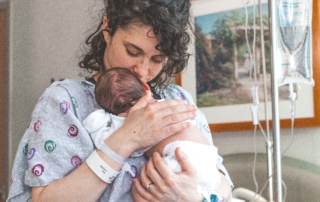
Parents of infants in the NICU face high rates of depression, anxiety, stress, and trauma. Are we doing enough to identify their needs—and provide meaningful mental health support?

According to a recent meta-analysis, about one out of every five women has at least one type of anxiety disorder during pregnancy or the postpartum period.

By implementing trauma-informed strategies, healthcare providers can help create a safe and supportive environment for sexual trauma survivors during pregnancy, labor, and delivery.
According to a recent meta-analysis, about one out of every five women has at least one type of anxiety disorder during pregnancy or the postpartum period.

This meta-analysis suggests that mind-body therapies are an effective treatment for women victims of violence.

Establishing noninvasive and low-cost data collection based on childbirth narratives for the identification of women with CB-PTSD could serve as an important first step to complement more extensive methods.

Childbirth-related PTSD is relatively common; routine screening with a survey of PTSD symptoms may identify women in need of specific PTSD interventions.

Largest studies to date demonstrate statistically significant risk of preterm birth among women with active PTSD.

About 60% of women with mood disorders experience premenstrual exacerbation or PME of their mood during the premenstrual phase of their cycle.

Stress and worse pregnancy outcomes, interventions to reduce risk, parenting adolescents, dealing with social media.