


Season 2 Episode 7: How Does Infertility Affect Mental Health?
Perinatal psychiatrist Dr. Pooja Lakshmin shares her lived and clinical experience of the psychological toll of infertility.
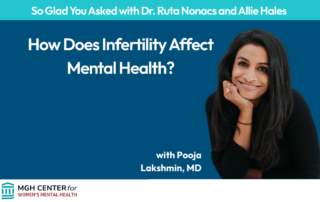
Perinatal psychiatrist Dr. Pooja Lakshmin shares her lived and clinical experience of the psychological toll of infertility.
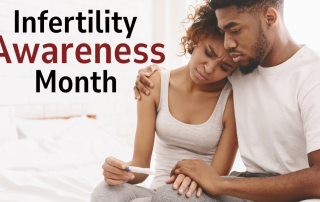
In recognition of Infertility Awareness Month, we are sharing resources on this topic. Explore our blogs and resources.

Current data suggest that SSRI antidepressants do not meaningfully reduce IVF success, while untreated depression or anxiety may be associated with lower pregnancy and live birth rates.

Emerging data suggest women with endometriosis face a higher risk of postpartum depression and anxiety, underscoring the need for proactive screening and individualized care.

After accounting for potential confounding factors, including depression in the mother, there is little evidence of any association between antidepressant use during pregnancy and miscarriage.

Overall, parents who conceive through ART experience lower levels of anxiety and depression compared to parents who conceive spontaneously.

For mothers, increased duration of leave was associated with reduced risk of depressive symptoms, less psychological distress, and lower use of mental health services.

Women undergoing infertility treatment, as well as women who conceived after infertility, experienced significant levels of distress as a result of the COVID-10 pandemic.

Risk of PPD is low in women who successfully conceive.
The current study indicates that duloxetine administered at a dose of 60 mg does not have an impact on sperm quality.