


Anxiety and Depression in Expectant Parents Conceiving with ART Versus Conceiving Spontaneously
Overall, parents who conceive through ART experience lower levels of anxiety and depression compared to parents who conceive spontaneously.

Overall, parents who conceive through ART experience lower levels of anxiety and depression compared to parents who conceive spontaneously.

The Food and Drug Administration has approved a new progestin-only oral contraceptive called Slynd. This preparation contains the novel progestin drospirenone which is one component of the oral contraceptives (OCs) YaZ and Yasmin. (These contraceptives [...]

In the world of family planning the question “Which contraceptive method is best for me?” is a common one. The World Health Organization (WHO) has tried to address this through a document called Medical Eligibility [...]
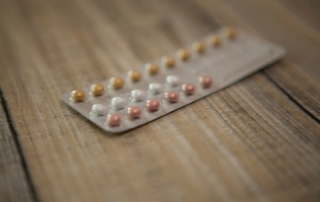
Many women have concerns about the side effects of oral contraceptives (birth control pills). Potential side effects include bloating, breast tenderness, and weight gain. In addition, some women may experience depression or mood swings, side [...]

An estimated 80% of sexually active young women in the United States use hormonal or oral contraceptives (OCs). Clinically it is found that some women report depression or mood swings with oral contraceptives; however, many women seem to tolerate hormonal contraceptive without any effects on mood. Despite the prevalence of OC usage, few studies have explored the association between hormonal contraceptive use and mood disturbance.
The FDA will require Yaz, Yasmin and several other newer oral contraceptives to carry new warning labels that detail the potential risk of venous thromboembolism (VTE or blood clots). All oral contraceptives increase the risk of blood clots; however, recent studies have suggested that birth control pills containing drospirenone, a synthetic form of the hormone progesterone, may carry a slightly increased risk of VTE, compared with older birth control pills. The FDA estimates that over a one year period, 10 in 10,000 women taking an oral contraceptive with drospirenone would develop a blood clot , as compared to about 6 in 10,000 women taking older contraceptives.
The US Food and Drug Administration (FDA) has approved a combination oral contraceptive (OC) tablet called Natazia (Bayer HealthCare Pharmaceuticals). It is a bit different from other OC preparations in that it contains 4 progestin/estrogen dosing combinations during each 28-day cycle (instead of being monophasic or triphasic), and it contains estradiol valerate (instead of ethinyl estradiol).

With increasing frequency, postpartum women who have taken antidepressants during pregnancy have shared – usually in tears – that while in the hospital for their labor and delivery hospitalization, a health care provider at the hospital said something judgmental about their being on an antidepressant. For example, one woman said that a nurse told her, “I can’t believe you took that during pregnancy.” Or, “Don’t you know how risky that is?!” Or “How could you do that to your baby?” This is often in the context of women using other medications in parallel for non-psychiatric indications, of which less may be known about the reproductive safety profile, but not addressed by the health care provider.
Depo-Provera (DMPA), also known as the birth control shot, is a highly effective form of contraception that lasts for 3 months, and thus requires only 4 injections per year. DMPA contains a long-lasting form of depot medroxyprogesterone acetate that works as a contraceptive agent by preventing the ovaries from releasing an egg each month. Potential side effects of DMPA include bone density loss, weight gain, and mood worsening. Although depression is listed in the packet insert as a side effect of the injection, available research addressing this side effect are limited and contradictory.
Is the use of hormonal contraception safe for women older than 35 years?