


Beyond Screening: Supporting the Mental Health of NICU Parents
Parents of infants in the NICU face high rates of depression, anxiety, stress, and trauma. Are we doing enough to identify their needs—and provide meaningful mental health support?
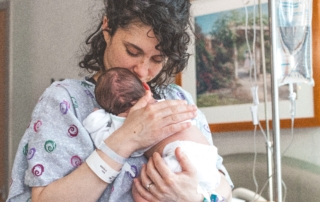
Parents of infants in the NICU face high rates of depression, anxiety, stress, and trauma. Are we doing enough to identify their needs—and provide meaningful mental health support?
Reproductive psychiatrists Dr. Kristin Lasseter and Dr. Lee Cohen join Dr. Ruta and Allie for a conversation on the treatment and prevention of postpartum depression.

Cesarean delivery is linked to a small increase in postpartum psychiatric risk, but stronger predictors—like prior mental illness—remain more clinically important.
More Than Blue is now streaming globally across digital platforms including Amazon Prime Video, Apple TV, YoutubeTV, and Vimeo on Demand. Watch now!

New data reveal that while most women with postpartum depression start antidepressant treatment, many discontinue treatment early—highlighting persistent gaps in postpartum care.

An open-label pilot study suggests that intravenous brexanolone may rapidly reduce psychotic, manic, and depressive symptoms in patients with postpartum psychosis, highlighting a potential new treatment option.

AI and machine learning models, using tools like the EPDS and data from the electronic health record, may help clinicians detect and even prevent postpartum depression.

Emerging evidence suggests perioperative esketamine may reduce postpartum depression risk and improve recovery; however, information regarding long-term efficacy and optimal use is limited.

Early identification and treatment of maternal sleep problems during pregnancy may lower the risk for postpartum depression and improve both maternal and infant sleep outcomes.

We are pleased to share that our More Than Blue documentary is now screening across the globe through our new partnership with ROCO films.