


Can Esketamine Be Used to Prevent Postpartum Depression?
Emerging evidence suggests perioperative esketamine may reduce postpartum depression risk and improve recovery; however, information regarding long-term efficacy and optimal use is limited.
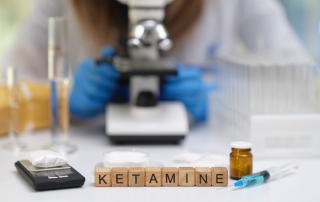
Emerging evidence suggests perioperative esketamine may reduce postpartum depression risk and improve recovery; however, information regarding long-term efficacy and optimal use is limited.

This study uncovers how trauma, isolation, loss of identity, and lack of support can overlap and amplify each other, deepening despair and driving suicide risk among women in the perinatal period.
A growing body of literature supports the reproductive safety of stimulants in pregnant women and suggests that not treating may have negative consequences for the mother and her child.
List of resources for families with infants in the Neonatal Intensive Care Unit.
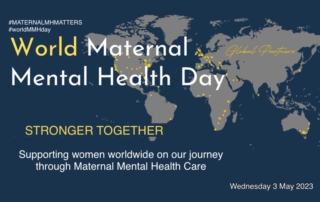
May 1, 2024 is World Maternal Mental Health Day, coming together to increase awareness of perinatal mood and anxiety disorders.

Psychological interventions may reduce the severity of perinatal anxiety symptoms.

In this postmarketing surveillance data analysis, excessive sedation and loss of consciousness when receiving brexanolone occurred at lower rates than previously reported in clinical trials.
This hotline will offer a range of support, including brief interventions, referrals to both community-based and telehealth providers as needed.

A recent review and meta-analysis found that upwards of 20% of women with no history of psychiatric illness experience their first bipolar-spectrum mood episode during the perinatal period.

Family history of psychiatric illness was associated a twofold increased risk for postpartum depression.