


Anxiety and Depression in Expectant Parents Conceiving with ART Versus Conceiving Spontaneously
Overall, parents who conceive through ART experience lower levels of anxiety and depression compared to parents who conceive spontaneously.

Overall, parents who conceive through ART experience lower levels of anxiety and depression compared to parents who conceive spontaneously.
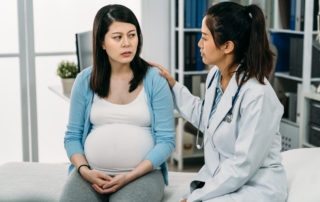
Women who experienced depression during pregnancy were about four times as likely to experience PPD compared to women with no depression during pregnancy, with greater risk associated with depression during the first and third trimesters.
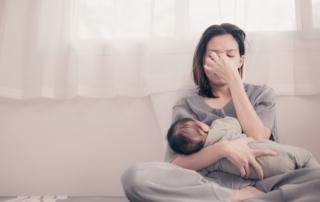
Vigilance is required in screening women who present with postpartum depression; a subset of women who screen positive for depression may actually have bipolar disorder.
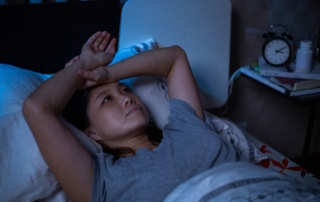
Addressing sleep problems may be an important component of suicide prevention efforts, as improving sleep quality and duration may help to reduce the risk of suicide in perinatal population.

No major malformations were associated with olanzapine exposure during the first trimester of pregnancy.

Cannabis use, as well as use of benzodiazepines and sedative-hypnotic medications, was more common in women with depression.
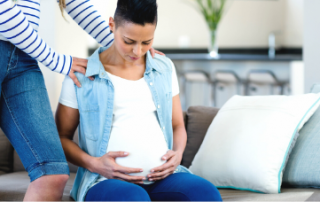
More that half of women with bipolar disorder relapsed during pregnancy.

Lower risk for self-harm was observed during pregnancy, except in women aged 15 to 19 years.
About 60% of women with mood disorders experience premenstrual exacerbation or PME of their mood during the premenstrual phase of their cycle.
In this large study with over 1500 exposures, duloxetine exposure during the first trimester does not appear to increase risk of major malformations.