


Beyond Screening: Supporting the Mental Health of NICU Parents
Parents of infants in the NICU face high rates of depression, anxiety, stress, and trauma. Are we doing enough to identify their needs—and provide meaningful mental health support?
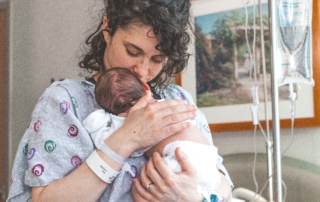
Parents of infants in the NICU face high rates of depression, anxiety, stress, and trauma. Are we doing enough to identify their needs—and provide meaningful mental health support?
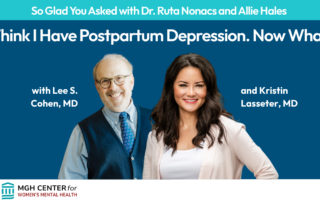
Reproductive psychiatrists Dr. Kristin Lasseter and Dr. Lee Cohen join Dr. Ruta and Allie for a conversation on the treatment and prevention of postpartum depression.

Dysphoric Milk Ejection Reflex causes brief, intense waves of dysphoria at milk letdown, often misinterpreted as postpartum depression, and can undermine breastfeeding and maternal well-being.

Postpartum depression affects dads too. This article explores how it shows up in fathers, why it’s often missed, and where dads can find real, dad-focused support.
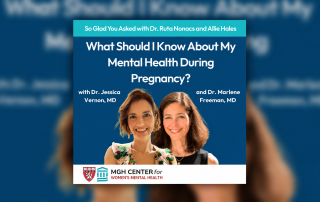
Our podcast provides an evidence-based discussion of perinatal mood and anxiety disorders during pregnancy and how to improve care for mothers and families.

Cesarean delivery is linked to a small increase in postpartum psychiatric risk, but stronger predictors—like prior mental illness—remain more clinically important.
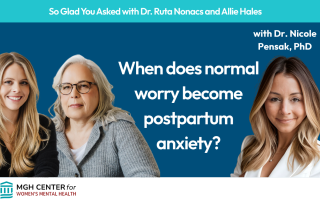
Nicole Pensak joins Season 2 of So Glad You Asked to discuss postpartum anxiety, matrescence, and how to tell normal worry from postpartum anxiety.

In a recent video, Dr. Marlene Freeman delivers an expert commentary on postpartum OCD, highlighting research showing intrusive thoughts are common, distressing, and not linked to infant harm.
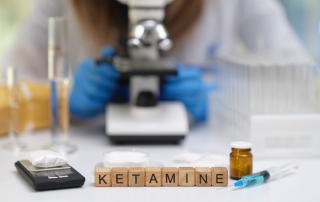
Emerging evidence suggests perioperative esketamine may reduce postpartum depression risk and improve recovery; however, information regarding long-term efficacy and optimal use is limited.

Perinatal depression and anxiety remain underdiagnosed and undertreated despite ACOG guidelines recommending universal, repeated screening across pregnancy and postpartum visits.