

A Novel Collaborative Group Intervention for Mothers with Perinatal Mental Illness and Their Infants
“Together in Mind” is a group intervention for mothers diagnosed with moderate to severe mental illness and their infants.

“Together in Mind” is a group intervention for mothers diagnosed with moderate to severe mental illness and their infants.
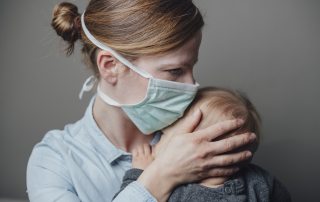
Pandemic-related grief, but not anxiety, was associated with lower quality bonding.

Most women have some nausea or vomiting, or “morning sickness”, during the first trimester of pregnancy. Some women, however, have a more severe and persistent pattern of nausea and vomiting called hyperemesis gravidarum (HG). [...]

The first article on the list is one that relies on the Swedish medical registers to look neonatal outcomes in infants prenatally exposed to antidepressants. While the study does not generate new things to worry [...]
Maternal psychiatric illness can profoundly affect how a mother interacts with her child and is a risk factor for impaired mother-infant bonding, which may include a spectrum of difficulties: decreased maternal affective involvement, increased irritability, [...]
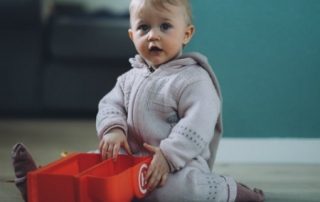
A mother’s emotional relationship with her baby begins during her pregnancy. The mother’s feelings about her baby, described as bonding, typically grow and intensify after the baby’s birth and become the foundation of the mother’s relationship with her child.
Multiple studies have demonstrated that childhood maltreatment is associated with subsequent difficulties. Researchers from the University of Michigan assessed parenting behaviors in women with a history of childhood abuse and neglect (n?=?97) and a healthy control comparison group (n?=?53). Participants were assessed at 6 weeks, 4 months, and 6 months postpartum. At 6 months, a home visit was conducted and mothers and infants participated in a dyadic play interaction later coded for positive parenting behaviors by blinded raters.