


Essential Reads: Why All Women of Reproductive Age Should Take Folic Acid
Folic Acid Awareness Week (Sept 13-19, 2026) focuses on the importance of daily folic acid supplements for women to prevent birth defects, as diet alone is often insufficient.

Folic Acid Awareness Week (Sept 13-19, 2026) focuses on the importance of daily folic acid supplements for women to prevent birth defects, as diet alone is often insufficient.

For women who require treatment with quetiapine during pregnancy, the available reproductive safety data are generally reassuring. The largest body of evidence does not suggest a meaningful increase in major congenital malformations, while metabolic effects, particularly gestational diabetes, remain an important consideration.

New registry data found no major malformations among 58 infants exposed to cariprazine in the first trimester, offering reassuring but preliminary reproductive safety evidence.

Recent studies find no increase in the risk of major malformations with first-trimester Z-drug exposure, although small increases in risk of preterm birth and low birth weight have been reported.

Despite FDA warnings, valproate is still prescribed to women of reproductive age, placing children at risk for birth defects and neurodevelopmental disorders.
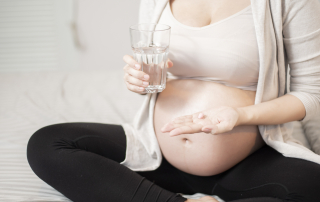
While we have adequate data to support the use of SSRI and SNRI antidepressants during pregnancy, there is less data regarding other classes of antidepressants. Although we less commonly use mirtazapine in pregnancy, several [...]

This register-based cohort study from Denmark of 503,158 clinically recognized pregnancies observed little or no risk of teratogenesis associated with first trimester exposure to antipsychotic medications.

Modafinil (brand name Provigil) and armodafinil (Nuvigil) are wake-promoting agents used to treat sleepiness due to narcolepsy, shift work sleep disorder, or obstructive sleep apnea. They are also used in other settings, often in [...]

No major malformations were associated with olanzapine exposure during the first trimester of pregnancy.

All of our information on the reproductive safety of medications comes from non-randomized studies. However, many of these studies fail to take into consideration other factors associated with maternal psychiatric illness which may also affect outcomes.