



IPT-Based Interventions Effective for the Prevention of Postpartum Depression
As a field we have focused primarily on the detection of perinatal mood and anxiety disorders; however, one should be aware of the growing body of literature that suggests that certain interventions may actually decrease a woman’s vulnerability to postpartum depression. In a group of women with histories of postpartum depression, Wisner and colleagues described a beneficial effect of prophylactic treatment with a selective serotonin reuptake inhibitor (SSRI) antidepressant . In [...]

In Brief: During Pregnancy, No Amount of Alcohol is Safe
The American Academy of Pediatrics (AAP) just released a new report regarding the use of alcohol during pregnancy and the risk of fetal alcohol spectrum disorders (FASDs). Prenatal alcohol exposure can lead to a broad range of adverse developmental effects. Fetal alcohol spectrum disorder (FASD) is the term which encompasses the range of adverse effects associated with prenatal alcohol exposure. While fetal alcohol syndrome (FAS) is at one end of the [...]
Antidepressant Effects on Motor Development Minimal, According to New Study
When we meet with women to discuss the reproductive safety of antidepressant medications, one of the most challenging and anxiety-provoking aspects of the consultation is the discussion we have regarding the long-term effects of prenatal antidepressant exposure on the child. Does antidepressant exposure during the earliest stages of brain development have lasting effects? Because studies assessing the effects of prenatal exposure to medication (or other environmental exposures) take decades to complete [...]

PMDD and Serotonin Reuptake Inhibitors: Does Symptom-Onset Dosing Work?
Multiple studies support the efficacy of serotonin reuptake inhibitors (SRIs) for the treatment of premenstrual dysphoric disorder (PMDD). In the initial studies, treatment was administered daily throughout the entire menstrual cycle. Researchers observed that for the treatment of PMDD, SRIs seemed to work more rapidly, taking effect within a few days of treatment initiation (as opposed to the 2-4 weeks needed for the treatment of major depression). Subsequent studies demonstrated that [...]

NAMS Urges Prescribers to Avoid Bioidentical Hormones
According to data presented at the annual meeting of the North American Menopause Society (NAMS) in Las Vega, a growing number of perimenopausal women are asking their doctors for compounded or bioidentical hormones. Although bioidentical hormones are touted as being “natural”, they, like synthetic hormones, are manufactured in the laboratory. Bioidentical hormones are chemically identical to the hormones produced by the human body, whereas synthetic hormones are structurally different yet are [...]
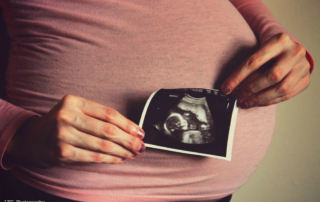
Exploring the Relationship Between Vitamin D, Inflammation, and Postpartum Depression
Vitamin D deficiency is more common than ever, and many experts are concerned that this deficiency may lead to a wide variety of health problems, including depression. The active form of vitamin D is produced by the human body as a byproduct of natural sun exposure; it is also found in certain foods, including some kinds of fish, egg yolks, and fortified dairy and grain products. Certain people – those with [...]