


Essential Reads: Postpartum Depression, Is it Unipolar or Bipolar?
Vigilance is required in screening women who present with postpartum depression; a subset of women who screen positive for depression may actually have bipolar disorder.

Vigilance is required in screening women who present with postpartum depression; a subset of women who screen positive for depression may actually have bipolar disorder.

About 60% of women with mood disorders experience premenstrual exacerbation or PME of their mood during the premenstrual phase of their cycle.

About 15% of women will experience postpartum depression after the birth of a child. While most of those women will have unipolar depression, a certain number of women will have bipolar depression. At this juncture, [...]

The American College of Obstetrics and Gynecology now recommends that women be screened for depression during pregnancy. Because depressive symptoms during pregnancy have been associated with worse outcomes and are a robust predictor of postpartum [...]
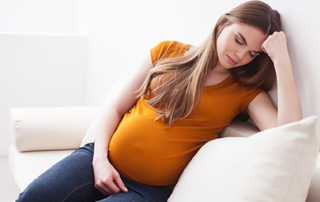
Last summer, we posted a blog about using folate to treat (and perhaps prevent) depression in women of childbearing age. Supporting that recommendation are the several reports indicating that people with lower folate levels are at higher risk of major depression or may experience more severe depressive symptoms. Other studies have indicated that in folate-deficient patients, antidepressants may be less effective or may take longer to take effect.

Recent reports suggest that people with lower folate levels are at higher risk of major depression or may experience more severe depressive symptoms. Other studies indicate that in folate deficient patients, antidepressants may be less effective or may take longer to take effect. In addition, some clinical trials have shown that folate may have a therapeutic effect on depression, either when taken alone or in combination with an antidepressant.