


September is Suicide Prevention Awareness Month: Emergency Resources for Individuals with Perinatal Mental Health Issues
If you or someone you know is in crisis, confidential support is available.

If you or someone you know is in crisis, confidential support is available.

Postpartum psychosis is the most severe form of postpartum psychiatric illness. What are the signs and symptoms?

Postpartum psychosis is a medical emergency, but temporary and treatable. In this podcast episode, survivors share early warning signs, treatment, and recovery—helping families and clinicians recognize and respond quickly.
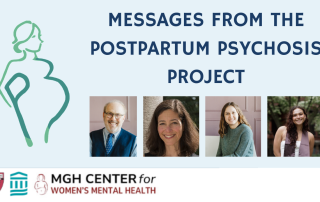
The Postpartum Psychosis Project team shares what inspires their work and the key lessons they hope more people understand.
Postpartum psychosis is the most severe form of postpartum psychiatric illness. What are the signs and symptoms?

Postpartum psychosis is a psychiatric emergency. Evidence supports early use of lithium plus antipsychotics—and, when needed, ECT—to achieve remission and prevent relapse.

An open-label pilot study suggests that intravenous brexanolone may rapidly reduce psychotic, manic, and depressive symptoms in patients with postpartum psychosis, highlighting a potential new treatment option.

Emerging data suggest that severe sleep loss around labor and delivery may mediate the link between bipolar disorder and postpartum psychosis, offering new targets for prevention.

Including postpartum psychosis in the DSM may help improve awareness, but it is only the first step in ensuring timely recognition and effective care.
Postpartum bipolar disorder appears to have a somewhat distinct clinical profile in terms of timing and symptom pattern, but current evidence suggests it is better conceptualized as a subtype of bipolar disorder rather than a fully separate diagnostic entity.