


Dads Can Get Postpartum Depression, But What Does It Look Like?
Postpartum depression affects dads too. This article explores how it shows up in fathers, why it’s often missed, and where dads can find real, dad-focused support.

Postpartum depression affects dads too. This article explores how it shows up in fathers, why it’s often missed, and where dads can find real, dad-focused support.

Behavioral activation intervention, whether delivered by specialists or non-specialists, was effective for the treatment of perinatal depression and anxiety.
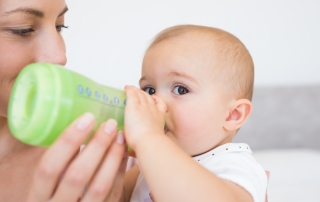
Weaning can be an emotionally charged transition, and for some women it may trigger depression. However, research on post-weaning depression is relatively sparse.
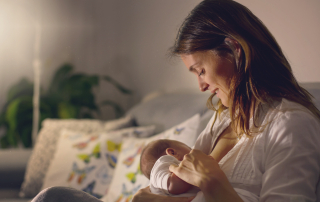
The relationship between breastfeeding and postpartum depression is complex and bidirectional, with each influencing the other through biological, psychological, and social factors.

There are many approaches to predicting which women are likely to develop postpartum depression (PPD). Most of these utilize standardized questionnaires and/or screening by health care providers. While these approaches may be effective, they tend to be costly and labor-intensive. A new study pilots the use of social media in predicting which women at risk for postpartum mood disorders.