


Is Postpartum Depression More Common in Women with Sensitivity to Hormonal Contraceptive?
A history of hormonal contraception-associated depression may be associated with a higher risk for postpartum depression.

A history of hormonal contraception-associated depression may be associated with a higher risk for postpartum depression.
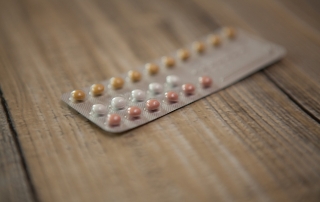
Many women have concerns about the side effects of hormonal contraceptives, including oral contraceptives, depot preparations, and hormonal IUDs and vaginal rings. Potential side effects include bloating, breast tenderness, and weight gain. In addition, some [...]

This week we are pleased to have a guest post from Dr. Anna Glezer. She is a perinatal psychiatrist practicing at the University of California San Francisco and the founder of Mind Body Pregnancy, a [...]

An estimated 80% of sexually active young women in the United States use hormonal or oral contraceptives (OCs). Clinically it is found that some women report depression or mood swings with oral contraceptives; however, many women seem to tolerate hormonal contraceptive without any effects on mood. Despite the prevalence of OC usage, few studies have explored the association between hormonal contraceptive use and mood disturbance.
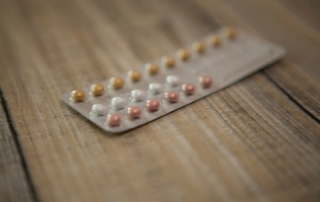
The FDA will require Yaz, Yasmin and several other newer oral contraceptives to carry new warning labels that detail the potential risk of venous thromboembolism (VTE or blood clots). All oral contraceptives increase the risk of blood clots; however, recent studies have suggested that birth control pills containing drospirenone, a synthetic form of the hormone progesterone, may carry a slightly increased risk of VTE, compared with older birth control pills. The FDA estimates that over a one year period, 10 in 10,000 women taking an oral contraceptive with drospirenone would develop a blood clot , as compared to about 6 in 10,000 women taking older contraceptives.
The US Food and Drug Administration (FDA) has approved a combination oral contraceptive (OC) tablet called Natazia (Bayer HealthCare Pharmaceuticals). It is a bit different from other OC preparations in that it contains 4 progestin/estrogen dosing combinations during each 28-day cycle (instead of being monophasic or triphasic), and it contains estradiol valerate (instead of ethinyl estradiol).
Lamotrigine (Lamictal) has been effectively used for the maintenance treatment of bipolar disorder. Many women suffering from bipolar disorder are of childbearing age; therefore an adequate contraception is a major concern that needs to be addressed in this population.
Is the use of hormonal contraception safe for women older than 35 years?
If a woman does not breastfeed following delivery, prolactin levels decrease and fertility returns to normal, and pregnancy is possible. Even if a woman decides to breastfeed, she should still use some form of contraception, as prolactin levels vary depending on individual breastfeeding styles. Women may be fertile and become pregnant even before the resumption of their menstrual cycles.
Many women have concerns about the side effects of oral contraceptives (birth control pills). Potential side effects include bloating, breast tenderness, and weight gain. In addition, some women may experience depression or mood swings, side effects that may influence a woman’s decision to start taking a birth control pill, particularly if she has a history of depression.