


Does Cesarean Delivery Increase Risk for Postpartum Depression?
Cesarean delivery is linked to a small increase in postpartum psychiatric risk, but stronger predictors—like prior mental illness—remain more clinically important.

Cesarean delivery is linked to a small increase in postpartum psychiatric risk, but stronger predictors—like prior mental illness—remain more clinically important.
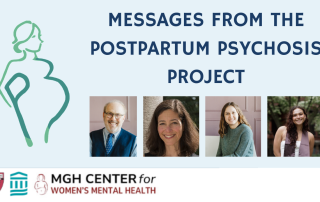
The Postpartum Psychosis Project team shares what inspires their work and the key lessons they hope more people understand.

A large meta-analysis finds no causal link between prenatal antidepressant exposure and neurodevelopmental disorders after accounting for confounding factors.
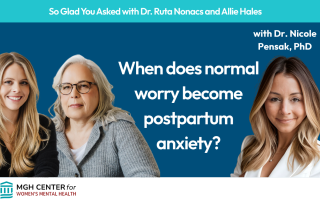
Nicole Pensak joins Season 2 of So Glad You Asked to discuss postpartum anxiety, matrescence, and how to tell normal worry from postpartum anxiety.

Postpartum psychosis is a psychiatric emergency. Evidence supports early use of lithium plus antipsychotics—and, when needed, ECT—to achieve remission and prevent relapse.

New data reveal that while most women with postpartum depression start antidepressant treatment, many discontinue treatment early—highlighting persistent gaps in postpartum care.

Learn more about the impact of perinatal depression on child neurodevelopment, new rapid-acting treatments for PPD, and new data reshaping how we treat menopausal symptoms.

Emerging data suggest women with endometriosis face a higher risk of postpartum depression and anxiety, underscoring the need for proactive screening and individualized care.
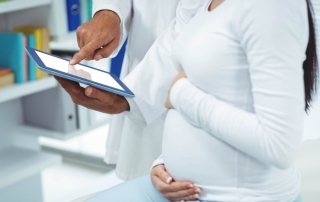
AI and machine learning models, using tools like the EPDS and data from the electronic health record, may help clinicians detect and even prevent postpartum depression.
This week’s list spans antidepressant safety, benefits of psychotropic medication continuation on postpartum self-harm risk, anti-seizure medications and congenital malformations, and new approaches to PPD screening.