


For Women with Perinatal Mood and Anxiety Disorders, Can Nurses and Midwives Fill the Gaps in Mental Health Care?
Psychological interventions provided by nurses and midwives can significantly reduce the severity of perinatal depressive symptoms.

Psychological interventions provided by nurses and midwives can significantly reduce the severity of perinatal depressive symptoms.

Postpartum depression (PPD) is a relatively common problem, affecting between 10% and 15% of women after delivery. Although it is difficult to reliably predict which women in the general population will experience postpartum depression, it [...]

CBT is effective for the management of vasomotor symptoms, depression, and sleep in perimenopausal women.

Anxiety disorders affect as many as 30% of children and adolescents, and the children of parents with an anxiety disorder have a higher risk of developing an anxiety disorder than the children of parents [...]
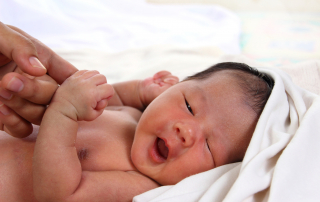
Previous research has shown that higher levels of depressive symptoms during pregnancy may be associated with lower levels of maternal-fetal attachment (MFA). Other studies have indicated that poor MFA is a significant predictor of worse [...]

There is excellent data to support the use of selective serotonin and serotonin-norepinephrine reuptake inhibitors (SSRIs and SNRIs) for the treatment of premenstrual dysphoric disorder (PMDD); however, many women do not want to take [...]

Despite increasing attention to the mental health of expecting and new mothers, we do not have adequate numbers of health care providers with expertise in the treatment of perinatal mood and anxiety disorders, and [...]
Sleep disruption is a common complaint during pregnancy, with 15% to 80% of women reporting sleep problems during the first trimester and 66% to 97% of women in the third trimester. There are data [...]
Peri- and post-menopausal women frequently complain of insomnia or poor sleep quality. Sleep disturbance is often attributed to nocturnal hot flashes; however, a study from researchers at Wayne State University School of Medicine suggests that [...]

About 80% of women experience vasomotor symptoms (VMS) – hot flashes and night sweats — as they transition into the menopause phase. For most, the symptoms are manageable, but for a sizeable subset of midlife [...]