

Can Esketamine Be Used to Prevent Postpartum Depression?
Emerging evidence suggests perioperative esketamine may reduce postpartum depression risk and improve recovery; however, information regarding long-term efficacy and optimal use is limited.
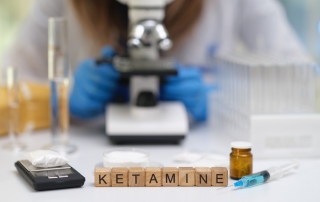
Emerging evidence suggests perioperative esketamine may reduce postpartum depression risk and improve recovery; however, information regarding long-term efficacy and optimal use is limited.

The recent FDA expert panel focused largely on the risks of SSRIs during pregnancy; however, medical organizations and experts support the important role of SSRIs and other medications in supporting maternal mental health.

The recent FDA expert panel focused largely on the risks of SSRIs during pregnancy; Dr. Freeman weighs in on the information provided in the report.
The recent FDA expert panel focused largely on the risks of SSRIs during pregnancy but ignored or diminished the risks associated with untreated depression in the mother.

The recent FDA expert panel focused largely on the risks of SSRIs during pregnancy but ignored or diminished the risks associated with untreated depression in the mother.

In a recent study from Mass General Hospital, researchers examined whether information included in the medical record at the time of discharge after delivery could help us to identify individuals at increased risk for postpartum depression.
Postpartum anxiety is a common and often under-recognized condition that affects a substantial proportion of new mothers.

After accounting for potential confounding factors, including depression in the mother, there is little evidence of any association between antidepressant use during pregnancy and miscarriage.

After accounting for maternal depression, there is little evidence of any association between antidepressant use during pregnancy and miscarriage.
There is evidence that depression itself can increase risk for preeclampsia. In women with more severe depression, treatment with an SSRI antidepressant may decrease risk.