


Postpartum Depression with Comorbid Anxiety: Optimizing Treatment
Postpartum anxiety is a common and often under-recognized condition that affects a substantial proportion of new mothers.
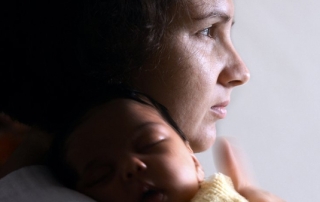
Postpartum anxiety is a common and often under-recognized condition that affects a substantial proportion of new mothers.

For new moms, breastfeeding is often more difficult than anticipated. In fact, feeding challenges are actually the norm, not the exception.

Blood levels of neuroactive steroids during the third trimester of pregnancy may predict increased risk of postpartum depression, offering possibility for early intervention.

According to a recent meta-analysis, about one out of every five women has at least one type of anxiety disorder during pregnancy or the postpartum period.

Several studies suggest that screening during the first week postpartum may be helpful in identifying women at higher risk for experiencing postpartum depression.

The MGHP3 study provides key insights into the onset, duration, treatment, and characteristics of postpartum psychosis in a large, diverse cohort.

Individuals with postpartum depression are being recruited for a clinical trial of a novel psychedelic compound, RE104.

There is a wide range of barriers across multiple levels--individual, healthcare professional, interpersonal, organizational, political, and societal.

Further studies are needed to determine whether ketamine and esketamine are effective for the treatment of postpartum depression.

Dr. Lee S. Cohen, Director of the Ammon-Pinizzotto Center for Women's Mental Health at Massachusetts General Hospital, recently shared his insights on access to perinatal mental healthcare with Ob.Gyn News on May 23, 2024.