

Lee Cohen, MD: Message on Maternal Suicide Awareness
In recognition of Suicide Prevention Awareness Month: A Message from Dr. Lee Cohen

In recognition of Suicide Prevention Awareness Month: A Message from Dr. Lee Cohen

This study uncovers how trauma, isolation, loss of identity, and lack of support can overlap and amplify each other, deepening despair and driving suicide risk among women in the perinatal period.

The relationship between breastfeeding and postpartum depression is complex and bidirectional, with each influencing the other through biological, psychological, and social factors.

New documentary illuminates the faces and voices of postpartum depression across America.

While zuranolone may show promise for the treatment of depressive episodes in patients with bipolar disorder, more research is needed.
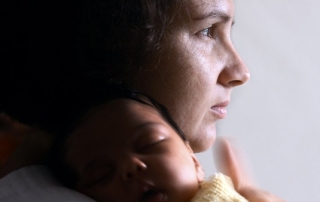
Postpartum anxiety is a common and often under-recognized condition that affects a substantial proportion of new mothers.

For new moms, breastfeeding is often more difficult than anticipated. In fact, feeding challenges are actually the norm, not the exception.

Blood levels of neuroactive steroids during the third trimester of pregnancy may predict increased risk of postpartum depression, offering possibility for early intervention.

According to a recent meta-analysis, about one out of every five women has at least one type of anxiety disorder during pregnancy or the postpartum period.

Several studies suggest that screening during the first week postpartum may be helpful in identifying women at higher risk for experiencing postpartum depression.