


A New Study Investigates the Impact of a Drospirenone-Only Contraceptive Pill On Postpartum Mood
Postpartum women taking a drospirenone-only contraceptive pill experienced a decrease in depressive symptoms.
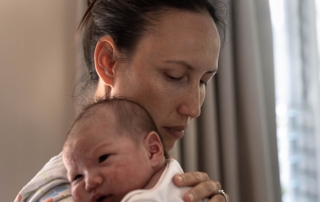
Postpartum women taking a drospirenone-only contraceptive pill experienced a decrease in depressive symptoms.

Intravenous ketamine or esketamine given at the time of cesarean delivery reduced risk for postpartum depression; predictive models are needed to determine which women are most likely to benefit from this intervention.

The FDA approves zuranolone, a new option for the treatment of PPD, a rapidly acting antidepressant with a good safety profile.

This study provides reassuring data on the use of mirtazapine during pregnancy, demonstrating no association between exposure and risk of major malformations or pregnancy loss.

In women with severe postpartum depression, zuranolone was associated with improvements in depression beginning at day 3. FDA to make a decision next week.
In this postmarketing surveillance data analysis, excessive sedation and loss of consciousness when receiving brexanolone occurred at lower rates than previously reported in clinical trials.

Lithium use during pregnancy was associated with an increased risk of preterm birth and large for gestational age infants.

As of October 2023, the Neurosteroid Intervention for Menopausal and Perimenopausal Depression is no longer recruiting participants. Over the last few years we have heard a great deal about neurosteroids, also known as neuroactive steroids. [...]

In women with postpartum depression, zuranolone was associated with concurrent improvements in depression, anxiety symptoms, and insomnia beginning at day 3.

New findings from the National Pregnancy Registry for Atypical Antipsychotics provide reassuring data regarding the safety of prenatal exposure to lurasidone and quetiapine in a sample of well-characterized participants.