


Are Women More Vulnerable to Depression After Weaning?
Weaning can be an emotionally charged transition, and for some women it may trigger depression. However, research on post-weaning depression is relatively sparse.

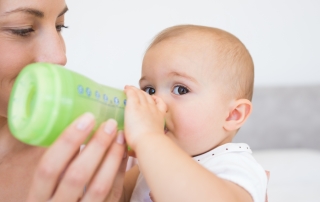
Weaning can be an emotionally charged transition, and for some women it may trigger depression. However, research on post-weaning depression is relatively sparse.

This study uncovers how trauma, isolation, loss of identity, and lack of support can overlap and amplify each other, deepening despair and driving suicide risk among women in the perinatal period.

Precocious puberty, particularly central precocious puberty (CPP), is increasingly common and is associated with a higher risk of long-term psychiatric disorders.

The relationship between breastfeeding and postpartum depression is complex and bidirectional, with each influencing the other through biological, psychological, and social factors.

The recent FDA expert panel focused largely on the risks of SSRIs during pregnancy but ignored or diminished the risks associated with untreated depression in the mother.

Treatment with zuranolone, a novel oral antidepressant for postpartum depression, raises important questions for breastfeeding individuals. While recent studies show minimal transfer into breast milk, we do not yet have enough information to recommend breastfeeding while taking zuranolone.

An individualized, collaborative approach to decision-making helps mothers navigate complex choices with confidence, ensuring the well-being of their child, while attending to their own mental health.

While zuranolone may show promise for the treatment of depressive episodes in patients with bipolar disorder, more research is needed.

The recent FDA expert panel focused largely on the risks of SSRIs during pregnancy but ignored or diminished the risks associated with untreated depression in the mother.

In a recent study from Mass General Hospital, researchers examined whether information included in the medical record at the time of discharge after delivery could help us to identify individuals at increased risk for postpartum depression.