



Antenatal Exposure to Depression or Anxiety Increases the Risk of Adolescent Depression
Many studies have demonstrated an increased risk for depression among the children of mothers with depression. Exactly how this vulnerability to depression is transmitted to the child is not precisely understood. Genetic factors clearly play an important role, but there are other important factors which contribute to the intergenerational transmission of depression. For example, many studies have shown that postpartum depression may contribute to parenting styles which increase a child’s likelihood of developing depression later on. While the child appears to be particularly sensitive to the effects of maternal depression during the first year of life, it appears that older children are also affected by maternal depression and are more likely to suffer from depression and other psychiatric symptoms than children with non-depressed mothers.

Antenatal Exposure to Opioids May Increase the Risk of Neural Tube Defects
Previous studies have suggested a link between opioid exposure and increased risk of certain congenital malformations.

Do Oral Contraceptives Cause Depression?
An estimated 80% of sexually active young women in the United States use hormonal or oral contraceptives (OCs). Clinically it is found that some women report depression or mood swings with oral contraceptives; however, many women seem to tolerate hormonal contraceptive without any effects on mood. Despite the prevalence of OC usage, few studies have explored the association between hormonal contraceptive use and mood disturbance.

FDA Approves New Hormonal Therapy for Menopausal Symptoms
The US Food and Drug Administration (FDA) has approved a novel estrogen-based drug for women for the treatment of moderate-to-severe vasomotor symptoms and osteoporosis associated with menopause. Duavee (Wyeth Pharmaceuticals) is a once-a-day tablet containing a combination of conjugated estrogens and bazedoxifene, an estrogen agonist/antagonist.

For Menopausal Symptoms: Exercise, Yoga or Housework?
Several recent studies have examined the impact of various types of physical activity on menopausal symptoms, including hot flashes, night sweats, and sleep disturbance.
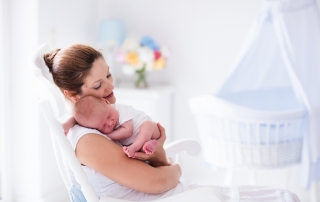
Complementary and Alternative Medicine Therapies for the Treatment of Perinatal Depression: A Review
In an excellent and thoughtful review article, Kristina Deligiannidis and Marlene Freeman (from the MGH Center for Women’s Mental Health) summarize data on the efficacy of complementary and alternative medicine therapies for the treatment of perinatal depression. This is one of the most thorough reviews on CAM and provides thoughtful, evidence-based recommendations regarding the use of these treatments for women with perinatal depression. It is definitely worth tracking down a copy of this review, but if you can’t find it, here is a summary.