



Is Pregnancy Brain a Real Thing?
During pregnancy, many women complain that they feel more forgetful or less sharp than before their pregnancy.

Postpartum Depression and Bonding Difficulties: Different but Interrelated Problems
A mother’s emotional relationship with her baby begins during her pregnancy. The mother’s feelings about her baby, described as bonding, typically grow and intensify after the baby’s birth and become the foundation of the mother’s relationship with her child.
Novel Approaches to Antidepressant-Induced Sexual Side Effects: Exercise and Acupuncture
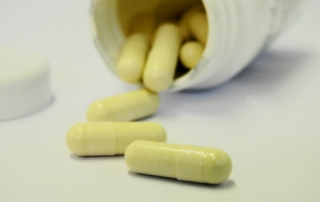
Sexual side effects may occur in 40% to 70% of patients treated with serotonin reuptake inhibitors (SRIs) and is a common reason for poor compliance with treatment and eventual discontinuation. When sexual side effects occur, they tend to emerge early, are persistent, and rarely resolve spontaneously. A new study, reviewed in Medscape, suggests that exercise may help to reduce sexual side effects:

Understanding the Link between Trauma History and Risk of Perinatal Depression
While we are becoming more attentive to screening for depressive symptoms during pregnancy and the postpartum period, we may not always ask about a history of trauma, especially when a woman has had what most would consider an “uncomplicated” pregnancy. A recent study, however, indicates that a history of trauma may be a risk factor for depression during pregnancy.
Levetiracetam (Keppra) and Pregnancy
While it is well-established that several of the older anticonvulsants, including valproate (Depakote), carry a significant teratogenic risk, less is known about the reproductive safety of the newer antiepileptic drugs (AEDs). A new report from the U.K. and Ireland Epilepsy and Pregnancy Registers suggests that the risk of malformations associated with levetiracetam (LVT, Keppra) use during pregnancy is low.
Interpersonal Therapy Based Intervention Reduces the Risk of Postpartum Depression in Teen Mothers
Postpartum depression (PPD) is a relatively common problem, affecting between 10% and 15% of women after delivery. Although it is difficult to reliably predict which women in the general population will experience postpartum mood disturbance, it is possible to identify certain subgroups of women who are more vulnerable. One such group is teen mothers, where the risk of PPD is about 25%.