



Preliminary Study: Exercise in Pregnancy Appears to Lessen Depressive Symptoms
A recent study suggests that physical exercise during pregnancy may reduce depressive symptoms. This study from Spain included 184 healthy pregnant women (31.37 ± 3.62 years). Women randomized to the exercise group (EG) participated in a supervised exercise program consisting of three, 55- to 60-min sessions per week throughout pregnancy. A total of 167 pregnant women were analyzed; 90 in the exercise group and 77 in the control group. Significant differences were found between the two groups at the end of the study in terms of level of depressive symptoms as measured by the Center for Epidemiologic Studies Depression Scale (CES-D): 7.67 ± 6.30 in the exercise group vs. 11.34 ± 9.74 in the control group (p = .005). The percentage of women who were depressed was also lower in the exercise group (12.2%) as compared to the control group (24.7%).

New Research from the CWMH: Venlafaxine As Effective As Estradiol for Hot Flashes
Various selective serotonin reuptake inhibitors (SSRIs), including citalopram (Celexa), escitalopram (Lexapro) and paroxetine (Paxil), have been shown to be effective for the treatment of menopausal vasomotor symptoms (VMS). Other studies have supported the efficacy of the serotonin–norepinephrine reuptake inhibitors (SNRIs) duloxetine (Cymbalta) and venlafaxine (Effexor). The FDA recently approved a 7.5-mg formulation of paroxetine (marketed as Brisdelle) as the first non-hormonal treatment of hot flashes.
All Pregnant and Nursing Women Should Have Iodide Supplements
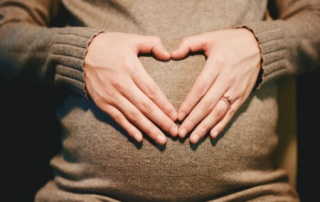
According to a policy statement from the American Academy of Pediatrics, all pregnant and breast-feeding women should take a supplement with adequate iodide. It turns out that many American women may be marginally iodine deficient, and studies estimate that only 15 to 20 percent of pregnant and nursing women are taking supplements containing iodine. In the developing baby, iodine is necessary for thyroid function and normal brain development. According to [...]
Netmums: An Internet-Based Intervention for Women with Postpartum Depression
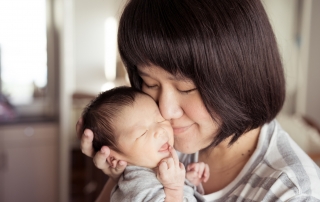
While postpartum depression (PPD) affects about 10%-15% of women, most women with PPD do not receive any treatment. Over the last decade, we have made progress in increasing awareness of postpartum mental health issues; however, there are still significant obstacles to obtaining treatment. Women are not able to find appropriate treaters or cannot access care in a timely fashion, especially in more remote areas. They may not have reliable childcare and thus cannot attend their own appointments. Or they may simply be too depressed or anxious to leave their homes.

The Effects of Yoga and Exercise on Menopausal Quality of Life
Many women transitioning into the menopause request medical advice on ways to improve their quality of life and to relieve the symptoms associated with the menopausal transition. With concerns regarding the long-term use of estrogen replacement therapy, there has been interest in the use of non-hormonal strategies to manage these symptoms.

Pregnancy and Marijuana: How Much Do We Really Know?
With many states now considering the legalization of medical marijuana, there seems to be a growing sense that marijuana is relatively safe and may, in some cases, be more attractive or effective than traditional pharmacologic interventions. We have witnessed this shift in attitude in our clinic, where many of our clinicians have been surprised to hear women ask questions about the dangers of using antidepressants and other medications during pregnancy while at the same time feeling relatively comfortable with their use of marijuana in the same setting.