


New Research from the CWMH: CBT to Reduce Risk of Relapse in Women Attempting to Discontinue Antidepressants
Pregnancy is a time of risk for women with histories of major depression. In a study where 201 women with histories of recurrent depression were followed prospectively through pregnancy, 43% experienced a relapse of major depression during pregnancy. Relapse rates were highest in the group of women who elected to discontinue antidepressant treatment proximate to conception (68% as compared to 26% in the group of women who maintained antidepressant treatment).

Breastfeeding and Anti-Epileptic Medications
Because breastfeeding has many psychological and medical benefits for both the mother and her child, many women would like to breastfeed. However, all medications taken by the mother are secreted into the breast milk. While various studies have addressed the short-term safety of antiepileptic drugs (AEDs) in nursing infants, none have systematically assessed the long-term effects of exposure to these drugs on cognitive development.

In the New York Times: Understanding Maternal Mental Illness
This week in the New York Times, there is a two-part story on maternal mental illness. Highlighting the experience of two women who became ill during the postpartum period, the articles focus on the range of disorders which can emerge during the postpartum period -- not only depression, but bipolar disorder, anxiety, OCD, and psychosis.
Antidepressants and Weight Gain: Which Ones are the Worst Offenders?
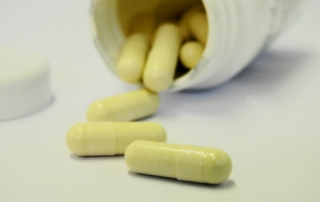
Many women are understandably concerned about the risk of weight gain associated with antidepressants. It is difficult to advise them as to which antidepressants are less or more likely to cause weight gain, as there are no head-to-head comparisons. In a recent electronic health record study including data from 22,610 individuals, 19,244 of which were antidepressant-treated patients, the researchers observed statistically significant differences in trajectory of weight gain over a 12-month [...]
SSRIs and Chiari Malformations
A recent study from researchers at the University of North Carolina reports that the children of depressed mothers treated with selective serotonin reuptake inhibitors (SSRIs) during pregnancy were more likely to develop Chiari type 1 malformations than were the children of mothers with no history of depression.
Maternal Depression Persists Beyond the Postpartum Period
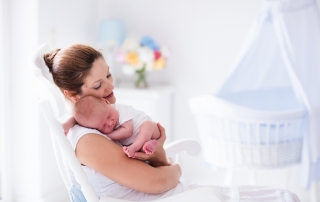
Many studies have assessed the risk of depression in the mothers of infants, but fewer studies have focused on the risk of depression in the mothers of older children. A recent study published in BJOG suggests that mothers are not only at risk for depression during the first year after childbirth but are at high risk even at four years postpartum. In this study, women were recruited during pregnancy from six [...]