

pregnancy

Treatment of Panic Disorder with Antidepressants Associated with Better Outcomes

While we have focused a great deal on the emergence of mood disorders during pregnancy and the postpartum period, there is a growing body of literature that indicates that anxiety symptoms are prevalent during this [...]

By |2018-11-21T14:37:56-04:00November 21st, 2018|Pregnancy & Medications|Comments Off on Treatment of Panic Disorder with Antidepressants Associated with Better Outcomes

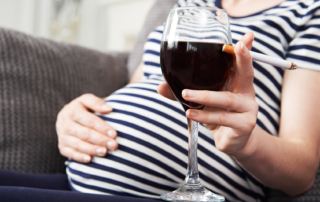
Pregnant Women in the US: Less Alcohol and Cigarettes, More Pot

Using data from the National Survey of Drug Use and Health between 2002 and 2016, researchers sought to study changes in the use of alcohol, cigarette, and cannabis during pregnancy in a nationally representative sample [...]

By |2018-11-19T19:33:03-04:00November 19th, 2018|Alcohol, Cannabis, Nicotine, Perinatal Substance Use|Comments Off on Pregnant Women in the US: Less Alcohol and Cigarettes, More Pot

Pregnancy Outcomes in Women with Bipolar Disorder

In treating pregnant women with mood or anxiety disorders, we tend to focus primarily on the reproductive safety of psychotropic medications; however, it must be recognized that withholding or withdrawing pharmacologic treatment for depression or [...]

By |2018-10-30T12:31:41-04:00October 30th, 2018|Bipolar Disorder, Outcomes, Pregnancy Outcomes, Psychiatric Disorders During Pregnancy|Comments Off on Pregnancy Outcomes in Women with Bipolar Disorder

Fertility Treatment More Common in Women with Bulimia Nervosa

Menstrual irregularities, including amenorrhea, are common among women with eating disorders.  Given the menstrual abnormalities, there has been concern that women with eating disorders might be less likely to conceive naturally. A recent study has [...]

By |2018-07-10T10:27:27-04:00July 10th, 2018|Eating Disorders, Infertility and Mental Health|Comments Off on Fertility Treatment More Common in Women with Bulimia Nervosa

Valproic Acid: Highlighting Risk and Modifying Prescribing Patterns in Reproductive Age Women

For clinicians who have not yet discovered the incredibly thoughtful and clinically practical monthly articles from Chittaranjan Andrade in the Journal of Clinical Psychiatry, it’s time to take a look.  (Not only are these articles [...]

By |2019-04-05T08:04:27-04:00July 3rd, 2018|Anti-Epileptic Drugs, Outcomes, Pregnancy & Medications, Risk of Malformations|Comments Off on Valproic Acid: Highlighting Risk and Modifying Prescribing Patterns in Reproductive Age Women

Fetal Alcohol Disorders More Common Tnan Previously Thought

Fetal Alcohol Spectrum Disorder (FASD) refers to a constellation of disorders resulting from prenatal exposure to alcohol; the manifestations include birth defects, developmental disabilities, and neurological and behavioral problems. Prenatal alcohol exposure is the most [...]

By |2018-09-10T12:34:27-04:00March 21st, 2018|Alcohol, Perinatal Substance Use|Comments Off on Fetal Alcohol Disorders More Common Tnan Previously Thought

Prescribing Psychotropic Medications with Opioids During Pregnancy May Increase Risk for Neonatal Withdrawal

  Illicit opioid use has steadily increased over the past decade, and this increase is most prominent in the 18–25 age group, which includes women of reproductive age (Substance Abuse and Mental Health Services Administration, [...]

By |2017-08-09T10:18:55-04:00August 9th, 2017|Opioids, Perinatal Substance Use, Pregnancy & Medications|Comments Off on Prescribing Psychotropic Medications with Opioids During Pregnancy May Increase Risk for Neonatal Withdrawal

Lamotrigine and Pregnancy: Meta-Analysis Shows No Increase in Risk for Malformations

  Maintenance treatment with a mood stabilizer during pregnancy can significantly reduce the risk of relapse in women with bipolar disorder; however, many of the mood stabilizers commonly used in this setting, including lithium and [...]

By |2025-06-26T09:07:02-04:00May 8th, 2017|Anti-Epileptic Drugs, Outcomes, Pregnancy & Medications, Risk of Malformations|Comments Off on Lamotrigine and Pregnancy: Meta-Analysis Shows No Increase in Risk for Malformations
Go to Top