


Essential Reads: Is PMDD a Risk Factor for Postpartum Depression?
Some, but not all, studies suggest that PMDD is a risk factor for postpartum depression.

Some, but not all, studies suggest that PMDD is a risk factor for postpartum depression.

Further systematic research on outcomes after postpartum screening is needed to ensure that screening translates into improved clinical outcomes.

The FDA will review zuranolone for the treatment of depression in the first half of 2022.

This review discusses the novel neurosteroid antidepressant brexanolone for the treatment of postpartum depression.

Psychological interventions provided by nurses and midwives can significantly reduce the severity of perinatal depressive symptoms.

Neuroactive steroids, derivatives of allopregnanolone, may be effective for the treatment of premenstrual dysphoric disorder.

NPR’s 1A Live hosts an episode focusing on perinatal depression, including information on the new medication zuranolone for the treatment of postpartum depression.

Our information on the use of medications for smoking cessation in nursing mothers is limited.

Women may experience depression and post-traumatic symptoms, especially those who were separated from their newborns after delivery and those with severe COVID-19 illness during pregnancy or after delivery.
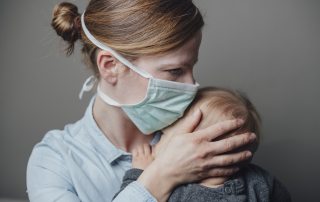
Because pregnant and postpartum women face unique challenges in the context of the COVID-19 pandemic, they may be at increased risk for mental health problems in this setting. In a recent study, researchers from the University College of London surveyed 162 new mothers in London between May and June 2020 using a social network survey designed to assess the impact of the COVID-19 lockdown.