


Is Preeclampsia a Risk Factor for Postpartum Psychiatric Illness?
Most, but not all, studies show an association between preeclampsia and increased risk for postpartum psychiatric illness.

Most, but not all, studies show an association between preeclampsia and increased risk for postpartum psychiatric illness.
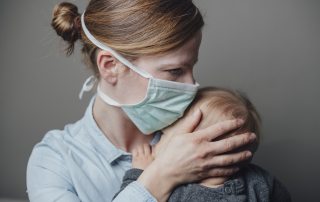
The Women's Mental Health Program at the University of Arkansas for Medical Sciences has observed a fourfold increase in postpartum psychosis in the pandemic.

Dr. Lee S. Cohen, Director of the Ammon-Pinizzotto Center for Women's Mental Health at Massachusetts General Hospital, recently shared his insights on practicing perinatal psychiatry during the ongoing COVID-19 pandemic with Ob.Gyn News on November [...]

“Together in Mind” is a group intervention for mothers diagnosed with moderate to severe mental illness and their infants.

Some, but not all, studies suggest that PMDD is a risk factor for postpartum depression.

Further systematic research on outcomes after postpartum screening is needed to ensure that screening translates into improved clinical outcomes.
Pandemic-related grief, but not anxiety, was associated with lower quality bonding.

The FDA will review zuranolone for the treatment of depression in the first half of 2022.

This review discusses the novel neurosteroid antidepressant brexanolone for the treatment of postpartum depression.

Psychological interventions provided by nurses and midwives can significantly reduce the severity of perinatal depressive symptoms.