antidepressants

Case Series: Mirtazapine (Remeron) in Pregnancy and Lactation

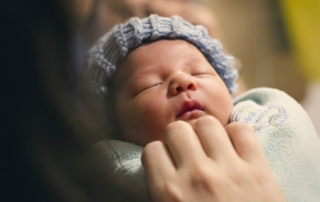
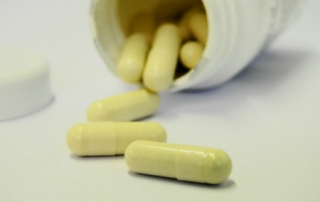
While we have adequate data to support the use of SSRI antidepressants during pregnancy, there is less data regarding other classes of antidepressants.  A new case series documents the outcomes of infants exposed to mirtazapine (Remeron).
By |2016-07-20T13:46:56-04:00February 23rd, 2015|Antidepressants, Breastfeeding & Medications, Outcomes, Pregnancy & Medications|Comments Off on Case Series: Mirtazapine (Remeron) in Pregnancy and Lactation

Women with Epilepsy at Higher Risk for Perinatal Depression

A recent study examined the prevalence and risk factors for perinatal depression and anxiety in a group of Norwegian women with epilepsy (n = 706) compared to pregnancies in all women without epilepsy (n = 106,511).

By |2016-07-21T11:07:25-04:00December 23rd, 2014|Depressive Disorders, Postpartum Psychiatric Disorders, Prevalence & Risk Factors, Psychiatric Disorders During Pregnancy|Comments Off on Women with Epilepsy at Higher Risk for Perinatal Depression

Good News: New Studies Show No Association Between Antidepressants and Risk of Autism

Two recent epidemiologic studies have demonstrated an association between prenatal exposure to selective serotonin reuptake inhibitor antidepressants (SSRIs) with autism spectrum disorders (ASD; Croen et al 2011, Rai et al, 2013).  One important imitation of these two studies is that parental psychiatric disorder in itself is associated with an increased risk of ASD in the offspring, and these studies could not distinguish between the effects of drug exposure and the consequences of the underlying maternal psychiatric illness.  Two new studies shed light on the association between prenatal antidepressant exposure and risk of autism spectrum disorder in the offspring.

By |2016-10-24T22:39:29-04:00February 5th, 2014|Pregnancy & Medications|Comments Off on Good News: New Studies Show No Association Between Antidepressants and Risk of Autism

L-Methylfolate for the Treatment of Depression: Can We Use it During Pregnancy?

Last summer, we posted a blog about using folate to treat (and perhaps prevent) depression in women of childbearing age.  Supporting that recommendation are the several reports indicating that people with lower folate levels are at higher risk of major depression or may experience more severe depressive symptoms.  Other studies have indicated that in folate-deficient patients, antidepressants may be less effective or may take longer to take effect.

By |2018-06-15T10:45:27-04:00March 25th, 2013|Outcomes, Pregnancy & Medications|Comments Off on L-Methylfolate for the Treatment of Depression: Can We Use it During Pregnancy?

Dr. Lee Cohen in Ob-Gyn News: Using SSRIs in Pregnancy

Over the last decade, attention in the medical literature has gathered logarithmically to focus on potentially efficacious treatments for perinatal depression. Studies of relevant databases, editorials, and various reviews have addressed the reproductive safety concerns of antidepressant treatments, particularly selective serotonin reuptake inhibitors (SSRIs) on one hand, and the impact of untreated maternal psychiatric illness on fetal and maternal well-being on the other.

By |2024-03-31T10:40:13-04:00December 13th, 2012|Antidepressants, ObGyn News, Outcomes, Pregnancy & Medications|Comments Off on Dr. Lee Cohen in Ob-Gyn News: Using SSRIs in Pregnancy

New Research from the CWMH: Escitalopram and Sleep in Midlife Women with Vasomotor Symptoms

Selective serotonin and serotonin-norepinephrine inhibitors (SSRIs and SNRIs) have been shown to be effective for the treatment of hot flashes.  However, these agents may carry certain side effects, including sexual side effects and sleep disturbance.  These two side effects may be particularly concerning to peri- and postmenopausal women who, in addition to having vasomotor symptoms, are more likely to experience sexual dysfunction and sleep disruption than premenopausal women.

By |2018-06-08T09:03:31-04:00August 20th, 2012|Medication, Menopausal Symptoms, Research at CWMH, Sleep Disorders, Treatment|Comments Off on New Research from the CWMH: Escitalopram and Sleep in Midlife Women with Vasomotor Symptoms

Choice of Antidepressant May Affect Survival in Women on Tamoxifen for Breast Cancer

Tamoxifen is a SERM (selective estrogen receptor modulator) used in women with breast cancer; it reduces the risk of relapse and improves overall survival.  Tamoxifen may also be used to reduce the risk of breast cancer in women at high risk for the disease. In order to be fully effective, tamoxifen must be metabolized to an active metabolite, endoxifen, by the liver enzyme CYP2D6. Consequently, any co-administered agent that inhibits this enzyme will reduce the conversion of tamoxifen to endoxifen, thereby potentially reducing the efficacy of tamoxifen as a breast cancer therapy.

By |2019-11-03T22:28:44-04:00May 2nd, 2011|Antidepressants, Breast Cancer|Comments Off on Choice of Antidepressant May Affect Survival in Women on Tamoxifen for Breast Cancer

Antidepressants and Risk for Osteoporosis

Selective serotonin reuptake inhibitors (SSRIs) account for approximately 62% of all antidepressants prescribed in the United States. There have been several recent studies suggesting that SSRIs may lower bone mineral density in individuals over the age of 65. However, depression itself has been shown to decrease bone mineral density and has also been associated with an increased risk of hip fractures in older women.

By |2018-06-17T23:22:37-04:00August 15th, 2008|Antidepressants, Anxiety Disorders, Depressive Disorders, Menopausal Symptoms, Outcomes|Comments Off on Antidepressants and Risk for Osteoporosis

Interactions Between Antidepressants and Tamoxifen

Women receiving tamoxifen for the treatment or prevention of breast cancer should be aware of possible drug-drug interactions with specific antidepressant medications (e.g., SSRI). These antidepressants are used widely to treat depression and anxiety disorders. In addition, multiple studies have shown that these antidepressants are an effective non-hormonal treatment for hot flashes; over 25% of women who are experiencing hot flashes related to tamoxifen therapy are now prescribed antidepressants to manage their symptoms.

By |2019-11-03T22:30:23-04:00June 18th, 2008|Antidepressants, Breast Cancer, Outcomes|Comments Off on Interactions Between Antidepressants and Tamoxifen
Go to Top