
anticonvulsants

Mental Health Parity in Massachusetts

Recent changes expanded the scope of mental health parity in the Commonwealth of Massachusetts, which requires insurance companies to cover specified diagnoses on a “nondiscriminatory basis”. This means that copayments, deductibles, coinsurance, unit of service limits- such as hospital days and outpatient visits, and/or annual or lifetime maximums are no greater for mental disorders when compared to physical conditions.

By |2015-08-12T14:51:49-04:00July 16th, 2009|Advocacy, General|Comments Off on Mental Health Parity in Massachusetts

Fetal Exposure to Valproate Associated with Lower IQ

There have long been concerns regarding the use of the anticonvulsant valproate (Depakote) during pregnancy.  First trimester use of valproate has been associated with a 3-5% risk of neural tube defects, as well as an increased risk of other malformations affecting the heart, limbs, and genitals. A recent report published in the New England Journal of Medicine indicates that in utero exposure to valproate may also result in lower IQ.     

By |2025-06-26T09:08:20-04:00April 24th, 2009|Anti-Epileptic Drugs, Bipolar Disorder, Long-Term Outcomes, Mood Stabilizers, Neurodevelopmental Disorders, Outcomes, Pregnancy & Medications|Comments Off on Fetal Exposure to Valproate Associated with Lower IQ

Oral Contraceptives Reduce Lamotrigine (Lamictal) Blood Levels

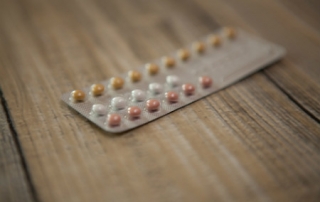
Lamotrigine (Lamictal) has been effectively used for the maintenance treatment of bipolar disorder. Many women suffering from bipolar disorder are of childbearing age; therefore an adequate contraception is a major concern that needs to be addressed in this population.

By |2025-06-26T09:07:14-04:00October 20th, 2008|Anti-Epileptic Drugs, General, Hormone Therapy|Comments Off on Oral Contraceptives Reduce Lamotrigine (Lamictal) Blood Levels

Can Paxil (Paroxetine) Be Used While Breastfeeding?

All medications are secreted into the breast milk, although concentrations appear to vary. There is a fair amount of information on the use of Paxil (paroxetine) in nursing women. While Paxil may be detected in the breast milk, there have been no reports of adverse events in the nursing infant. The only situation where one may want to avoid breastfeeding is when the baby is premature or has signs of hepatic immaturity, which may make it more difficult for the infant to metabolize the medication to which he or she is exposed. Premature babies are also probably more vulnerable to the toxic effects of these medications.

By |2015-07-28T11:04:33-04:00December 4th, 2007|Antidepressants, Breastfeeding & Medications|Comments Off on Can Paxil (Paroxetine) Be Used While Breastfeeding?

Polycystic Ovarian Syndrome in Women Taking Valproate

Polycystic ovarian syndrome (PCOS) occurs in 4-7% of women and is characterized by irregular menstrual cycles and hyperandrogenism (facial hair, acne, male-pattern hair loss, acne, or elevated male hormone levels). The majority of women with PCOS also suffer from obesity and insulin resistance. PCOS has been associated with a spectrum of health problems including infertility, diabetes, and possibly heart disease and endometrial cancer. Recently there has been concern that women with bipolar disorder who are treated with the mood stabilizer valproate (VPA; brand name Depakote or Depakene), may be at higher risk for PCOS, although the data have been somewhat conflicting.

By |2025-06-26T09:08:24-04:00November 8th, 2007|General, PCOS|Comments Off on Polycystic Ovarian Syndrome in Women Taking Valproate

Anticonvulsants During Pregnancy in Women with Bipolar Disorder

Unfortunately the mood stabilizers most commonly used to treat bipolar disorder (including lithium and valproic acid) can increase the risk of certain types of congenital malformations in children exposed to these medications during the first trimester of pregnancy. For women who need a mood stabilizer during pregnancy, lithium is the safest option; however, when used during the first trimester, it carries a 0.1% risk of a cardiac malformation called Ebstein's anomaly. Although this is a potentially serious complication, it is important to keep in mind that the risk of malformation is relatively small.

By |2025-06-26T09:08:25-04:00October 6th, 2002|Anti-Epileptic Drugs, Bipolar Disorder, Mood Stabilizers, Pregnancy & Medications, Risk of Malformations|Comments Off on Anticonvulsants During Pregnancy in Women with Bipolar Disorder
Go to Top