


Sleep Quality and Risk of Perinatal Depression
Sleep disturbance is commonly reported during pregnancy. A recent study looked at the impact of sleep quality on risk for depression.

Sleep disturbance is commonly reported during pregnancy. A recent study looked at the impact of sleep quality on risk for depression.

It is now widely accepted that there is an increased risk for depression among the children of mothers who suffer from depression. Exactly how this vulnerability to depression is transmitted to the child is not precisely understood and is undoubtedly quite complicated. Genetic factors clearly play an important role, but there are other important factors which contribute to the transgenerational transmission of depression. For example, many studies have shown that maternal depression may contribute to parenting styles which increase a child’s likelihood of developing depression later on.

Restless legs syndrome (RLS) occurs commonly during pregnancy and can sometimes casues significant sleep disturbance. A new study suggests that RLS may also increase the risk of perinatal depression.

Many studies have examined the association between parental age and psychiatric illness in the children, including autism and schizophrenia. In a recent case-control study from Finland, the authors identified 10,409 individuals with ADHD born between 1991 and 2005 from nationwide population-based registers. Logistic regression was used to examine the association between parental age and ADHD in the offspring, adjusting for potential confounding factors including parental psychiatric history, maternal socioeconomic status, marital status, maternal smoking during pregnancy, number of previous births, and birth weight.

In every cell, genetic material is contained within the double-stranded molecules of DNA called chromosomes. Every time a cell divides, the chromosomes are copied so that each new cell gets a copy of this genetic material. However, the process isn’t perfect – a little bit of the end of the chromosome is lost each time so the copy is not a perfect reproduction. To prevent important genetic material from being lost, the cell protects itself with structures called telomeres located at the ends of the chromosomes. Telomeres are repeating DNA sequences and proteins that act like a guard so that when the chromosome is copied, the important material is protected and only the telomere is shortened. Since telomere shortening happens every time the cell divides, telomeres act like biological clocks for the cell. When the chromosome has been copied enough times that the telomere has been completely worn away, any future copies of the chromosome may be missing important genetic material and the cell may cease to function normally.

Two recent reports explore the relationship between abuse and risk for perinatal depression. The first is a study which analyzed data from 53,065 pregnant women participating in the Norwegian Mother and Child Cohort Study (MoBa). [...]

About 10% to 15% of women experience clinically significant depressive symptoms during pregnancy. Furthermore, women with a history of major depression appear to be at high risk for recurrent illness during pregnancy particularly in the [...]

Many women experience the loss of a pregnancy at some time in their lives. It is estimated that about 20% of all pregnancies end in miscarriage. In the United States, another 14% end in termination.1 [...]
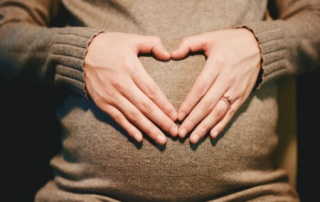
This is a relatively small study but I think it underscores the importance of screening for and treating depression during pregnancy. Previous studies have indicated that about 10% to 15% of women experience clinically significant [...]
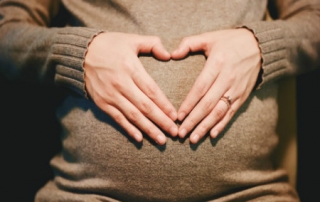
While various studies have recently examined the prevalence of depression during pregnancy, few of these studies have examined how being an ethnic minority may influence the risk of antenatal depression. A new study from Oslo, Norway suggests that certain ethnic minorities may have a higher risk.