


Is There a Link Between Endometriosis and Perinatal Depression?
Emerging data suggest women with endometriosis face a higher risk of postpartum depression and anxiety, underscoring the need for proactive screening and individualized care.

Emerging data suggest women with endometriosis face a higher risk of postpartum depression and anxiety, underscoring the need for proactive screening and individualized care.

Postpartum bipolar disorder appears to have a somewhat distinct clinical profile in terms of timing and symptom pattern, but current evidence suggests it is better conceptualized as a subtype of bipolar disorder rather than a fully separate diagnostic entity.

Precocious puberty, particularly central precocious puberty (CPP), is increasingly common and is associated with a higher risk of long-term psychiatric disorders.

Because women with bipolar disorder are at high risk for relapse during the postpartum period, we typically recommend that women continue treatment with lithium throughout the postpartum period. While this intervention clearly decreases risk for postpartum psychiatric illness, the use of lithium while breastfeeding presents certain challenges.

Overall, parents who conceive through ART experience lower levels of anxiety and depression compared to parents who conceive spontaneously.

Loss of at least one night’s sleep at the time of labor and delivery is a potent risk factor for postpartum psychosis in women with bipolar disorder.
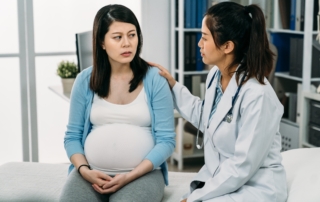
There is evidence that depression itself can increase risk for preeclampsia. In women with more severe depression, treatment with an SSRI antidepressant may decrease risk.
Women who experienced depression during pregnancy were about four times as likely to experience PPD compared to women with no depression during pregnancy, with greater risk associated with depression during the first and third trimesters.

ADHD is an important risk factor for both depression and anxiety disorders in the postpartum period and should be considered in the post-pregnancy maternal care.
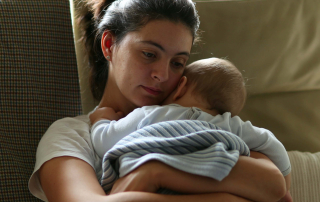
Women with medical, psychiatric, and obstetric risk factors should be closely followed within pregnancy and the postpartum.