


Fact Sheet: Valproic Acid (Depakote) and Pregnancy
Using valproic acid (Depakote) during pregnancy raises important safety concerns, including increased risks of congenital malformations and neurodevelopmental disorders.
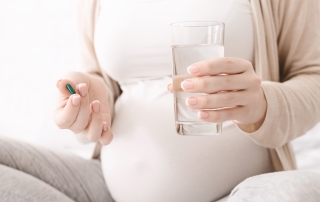
Using valproic acid (Depakote) during pregnancy raises important safety concerns, including increased risks of congenital malformations and neurodevelopmental disorders.

Recent studies find no increase in the risk of major malformations with first-trimester Z-drug exposure, although small increases in risk of preterm birth and low birth weight have been reported.

Exposure to long-acting injectable and oral second-generation antipsychotics during pregnancy was associated with similar obstetric outcomes in a large retrospective study.

Hydroxyzine is used frequently for the management of anxiety and sleep problems during pregnancy. However, there is limited information regarding its reproductive safety.

After accounting for potential confounding factors, including depression in the mother, there is little evidence of any association between antidepressant use during pregnancy and miscarriage.

In women with ADHD, about 60% of women with ADHD elect to discontinue ADHD medications around the time of conception.

After accounting for maternal depression, there is little evidence of any association between antidepressant use during pregnancy and miscarriage.

A systematic review examines neurodevelopmental outcomes in children prenatally exposed to antiepileptic drugs.

There is evidence that depression itself can increase risk for preeclampsia. In women with more severe depression, treatment with an SSRI antidepressant may decrease risk.

The current study observed no significant differences in overall developmental outcomes or behavior in exposed versus unexposed children.