


NPR’s 1A Live Discusses Perinatal Depression and the New Medication Zuranolone
NPR’s 1A Live hosts an episode focusing on perinatal depression, including information on the new medication zuranolone for the treatment of postpartum depression.
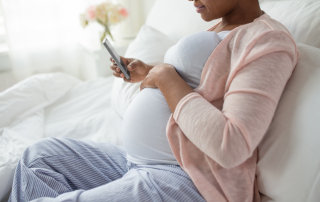
NPR’s 1A Live hosts an episode focusing on perinatal depression, including information on the new medication zuranolone for the treatment of postpartum depression.

Dr. Lee S. Cohen, Director of the Ammon-Pinizzotto Center for Women's Mental Health at Massachusetts General Hospital, recently shared his insights on mitigating psychiatric relapse during pregnancy amidst the COVID-19 pandemic with Ob.Gyn News on [...]

Parenting support, maternal bonding with the infant, engagement in an OUD treatment program, and recovery-specific support systems promoted recovery in postpartum women with opioid use disorders.

This article focuses on how GABA-ergic neurotransmitter systems may modulate the interaction between reproductive steroid and sex steroid systems, and sheds light on the role allopregnanolone may play in medicating vulnerability to depression.

In studies of psychosis unrelated to childbirth, there is evidence linking stress to the onset of psychosis.
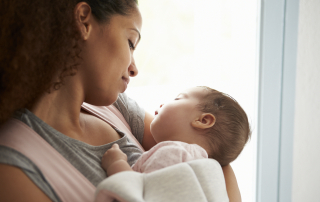
Zuranolone has antidepressant effects in women with severe PPD, observed as early as 3 days after initiation of treatment.

Because postpartum psychosis is relatively uncommon, we do not have as much information on this illness as we have on postpartum depression. In addition, most of the literature we have on postpartum psychosis is not [...]
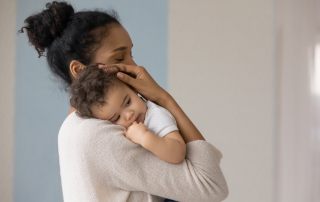
Women may experience depression and post-traumatic symptoms, especially those who were separated from their newborns after delivery and those with severe COVID-19 illness during pregnancy or after delivery.

While the role that COVID-19 plays in the pathophysiology of PP is not established, this study offers preliminary evidence that provides us a stronger grasp of how certain viral infections, like coronavirus, can predispose to postpartum psychiatric illnesses.
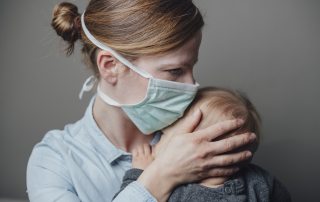
Because pregnant and postpartum women face unique challenges in the context of the COVID-19 pandemic, they may be at increased risk for mental health problems in this setting. In a recent study, researchers from the University College of London surveyed 162 new mothers in London between May and June 2020 using a social network survey designed to assess the impact of the COVID-19 lockdown.