


Antidepressant Treatment During Pregnancy: One Woman’s Experience (Part 1)
Part 1: Pre-Pregnancy Planning

Part 1: Pre-Pregnancy Planning

In a recent study by Gerardin and colleagues, the authors note that more research has been done to demonstrate the consequences of postpartum depression than depression during pregnancy (also called antenatal or prenatal depression). Infants born to mothers with depression during pregnancy have been demonstrated to have lower scores on motor behavior and more crying and irritability. Few studies, however, have assessed the longer-term effects of antenatal depression.

Ms. T is a 33 year old woman with a history of recurrent depression who is 32 weeks pregnant with her first pregnancy. She has remained on her citalopram (Celexa) throughout pregnancy and has been well. Her gynecologist has encouraged her to enquire about coming off the Celexa prior to delivery in order to avoid symptoms of neonatal distress. What should she do?

In a new mother, sleep is disrupted by repeated awakenings of the infant, but hormonal factors also seem to play a role. Immediately after childbirth, levels of the reproductive hormones, estrogen and progesterone, drop precipitously. It is believed that, because these hormones modulate neurotransmitter systems in the brain responsible for sleep quality, this dramatic hormonal shift may cause significant disruptions in sleep.

Research indicates that women undergoing infertility treatment experience high rates of psychological distress (1). Additionally, it is believed that stress and depression have an impact on fertility, as it has been shown that certain psychological interventions may improve pregnancy rates in infertile women (2-4). In a recent study, Faramarzi and colleagues compared the effects of group cognitive behavioral therapy (CBT), fluoxetine, and no treatment on the mental health of infertile women who had been trying to conceive for at least 2 years (5).

Postpartum depression is experienced by 10-15% of women and carries risks to both mother and baby. Untreated maternal depression is associated with negative outcomes for children including behavioral problems, cognitive or developmental delays and impaired attachment. Treatment of a mother’s depression can improve not only her own functioning and quality of life, but can improve her children’s symptoms as well (Pilowsky 2008). Given the importance of a mother’s mental health on her baby’s well-being, the American Academy of Pediatrics (AAP) released a recent report which recommends that pediatricians screen mothers for postpartum depression at baby’s one-, two-, and four-month visits (Earls 2010).
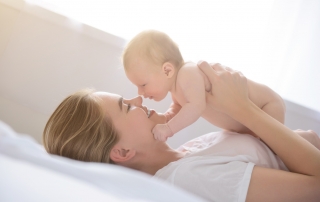
The New York Times published an interesting article on the high risk of depression among new parents. While we are now more aware of depression in mothers after delivery and making greater efforts to screen for postpartum depression, the article points out that both parents are at risk for depression and that the risk extends well beyond the immediate postpartum period.

About half of all pregnancies are unplanned. In this situation, many women who conceive while on psychotropic medications decide to abruptly stop their medications when they discover they are pregnant. While this may seem like the safest option, in terms of protecting the developing fetus, we have data demonstrating high rates of relapse in women who discontinue antidepressant medications or mood stabilizers proximate to conception. We now have data (from several studies in non-pregnant populations) to indicate that the rate of medication discontinuation (abrupt vs. gradual) may also affect risk of relapse.
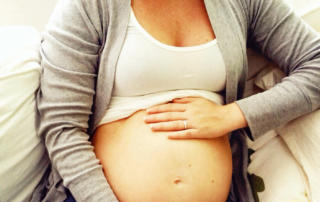
Increased muscle tone, jitteriness, sleep disturbance, irritability, feeding problems, mild respiratory distress and myoclonus have been reported as symptoms of a potential neonatal distress syndrome related to exposure to SSRIs in late pregnancy. The average duration of symptoms reported is 48 hours. It is estimated that between 25-30% of SSRI-exposed infants are at risk for this syndrome. No treatment intervention is required. Reassuringly, follow-up studies have shown that at 2, 4, 6, and 8 months SSRI-exposed infants are indistinguishable from control infants without known exposure.
Pregnancy and the postpartum period is a time of increased risk for depression. Therefore, women who are treated with antidepressant medications must consider whether or not to stay on medication during pregnancy. Despite reassuring data regarding the reproductive safety of various antidepressants, a woman may prefer not to continue medication during pregnancy due to concerns about long term effects of medication on the baby. However, by discontinuing antidepressant medication, a woman increases her risk of depression during pregnancy. This is a highly personal decision for women as the potential risks of continuing medication must be weighed against the possibility of relapse and the potential effects of untreated depression on the pregnancy and baby.