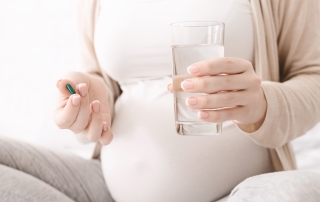
Clinical Update 2026: Z-Drugs and Pregnancy
Recent studies find no increase in the risk of major malformations with first-trimester Z-drug exposure, although small increases in risk of preterm birth and low birth weight have been reported.
Prenatal group care models like CenteringPregnancy and Pregnancy Circles may improve maternal mental health, reduce isolation, and enhance social support.
Exposure to long-acting injectable and oral second-generation antipsychotics during pregnancy was associated with similar obstetric outcomes in a large retrospective study.
Lavender, used historically for anxiety, stress, depression, and sleep, may provide benefits through aromatherapy or oral forms. Evidence supports potential effects, though safety and efficacy in pregnancy and breastfeeding remain unclear.
Perinatal depression and anxiety remain underdiagnosed and undertreated despite ACOG guidelines recommending universal, repeated screening across pregnancy and postpartum visits.
Hydroxyzine is used frequently for the management of anxiety and sleep problems during pregnancy. However, there is limited information regarding its reproductive safety.
According to a recent meta-analysis, about one out of every five women has at least one type of anxiety disorder during pregnancy or the postpartum period.
Behavioral activation intervention, whether delivered by specialists or non-specialists, was effective for the treatment of perinatal depression and anxiety.
While some antidepressants may affect the metabolism of tamoxifen into its active form, many antidepressants can be used safely in this population.
Despite FDA warnings, valproate is still prescribed to women of reproductive age, placing children at risk for birth defects and neurodevelopmental disorders.