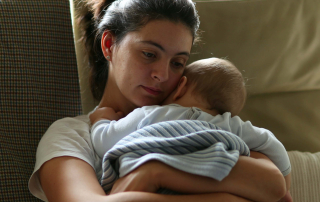


Depression and Anxiety Common After Stillbirth, Particularly in Women Without Partner Support
Depression and anxiety are prevalent among women who have experienced a stillbirth, especially those reporting inadequate paternal support
A recent review and meta-analysis found that upwards of 20% of women with no history of psychiatric illness experience their first bipolar-spectrum mood episode during the perinatal period.
Announcing a new CWMH study on postpartum depression screening and treatment outcomes at Mass General Brigham.
While data are limited regarding AEDs and breastfeeding, it appears that none of the AEDs are excreted at high levels into the breast milk, nor have they been associated with high rates of adverse events in the nursing infant.
This task force does not recommend universal, instrument-based screening for perinatal depression because we lack clear evidence that screening improves outcomes.
Women with postpartum psychosis are at risk for recurrent illness, but we have limited data regarding risk factors for recurrence.
Every week we review the most recent publications in women’s mental health.
Changes in maternal sleep and circadian rhythms during pregnancy are associated with infant sleep problems and maternal depression and anxiety.
Zuranolone has antidepressant effects in women with severe PPD, observed as early as 3 days after initiation of treatment. Â
Cannabis use, as well as use of benzodiazepines and sedative-hypnotic medications, was more common in women with depression.