


On Postpartum Psychosis Awareness Day: Educating Mothers, Families, and Health Care Providers
Postpartum psychosis is the most severe form of postpartum psychiatric illness. What are the signs and symptoms?


Postpartum psychosis is the most severe form of postpartum psychiatric illness. What are the signs and symptoms?

Dr. Lee S. Cohen, Director of the Ammon-Pinizzotto Center for Women's Mental Health at Massachusetts General Hospital, recently shared his insights on transcranial magnetic stimulation during pregnancy with Ob.Gyn News on May 4th.
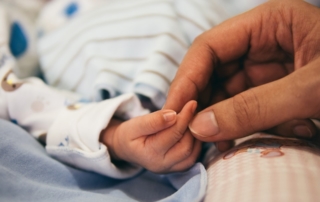
New findings from the National Pregnancy Registry for Atypical Antipsychotics provide reassuring data regarding the safety of prenatal exposure to lurasidone and quetiapine in a sample of well-characterized participants.
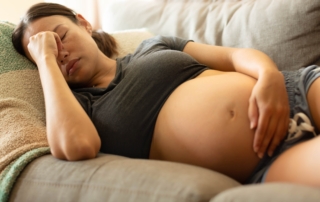
Maternal depression during the third trimester, not prenatal SSRI exposure, was associated with higher levels of internalizing and anxiety behaviors in children from 3 to 12 years of age.
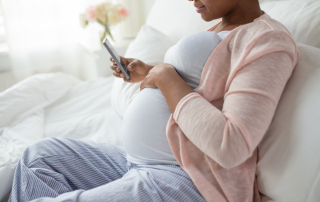
Based on this large cohort study including 990 pregnancies with first trimester exposure to atomoxetine, the researchers observed no increase in major congenital malformations overall and no statistically increased risk estimates for cardiac or limb malformations.

Every week we review the most recent publications in women’s mental health.

Evidence suggests that sleep disturbance during pregnancy is associated with higher risk of perinatal depression, especially during the third trimester.

Should we also be assessing women’s partners to determine if they have postpartum depression?
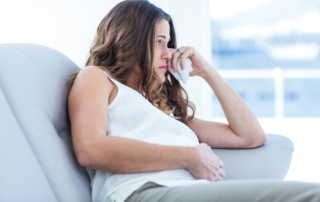
TMS in pregnancy and the postpartum period appears to be a promising treatment option with no reports of adverse obstetric outcomes or congenital malformations.
There is evidence that depression itself can increase risk for hypertension and preeclampsia. Future studies will help to clarify the complex interaction between depression, SSRI treatment and pre-eclampsia.