



Panic Attacks in Older Women Linked to Heart Disease
An article published in the October 2007 issue of Archives of General Psychiatry suggests that older women who experience panic attacks may be at increased risk of having a heart attack or stroke and at increased risk of death over the next five years. MGH researcher Jordan W. Smoller, M.D. and colleagues followed 3,369 healthy postmenopausal women as part of the Women’s Health Initiative. Upon entry into the study, participants filled out a questionnaire about the occurrence of panic attacks in the previous six months and were then followed prospectively for an average of 5.3 years to assess risk for cardiovascular disease. About 10 percent of the women reported having a full-blown panic attack in the six months prior to the study.

Antidepressant-Induced Sexual Side Effects
A recent article published in Psychiatric Times reviews options for the management of antidepressant-induced sexual dysfunction. According to this review, sexual side effects may occur in 40% to 70% of patients treated with serotonin reuptake inhibitors (SRIs) and is a common reason for poor compliance with treatment and eventual discontinuation. When sexual side effects occur, they tend to emerge early, are persistent, and rarely resolve spontaneously.
Two MGH Center for Women’s Mental Health Physicians Featured in Elle Magazine
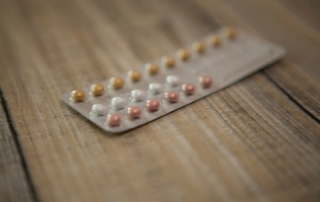
Lee S. Cohen, MD, and Hadine Joffe, MD, MSc, shared their expertise in reproductive health and oral contraceptives (OC) for Elle magazine’s recent article, “Against the Flow.” The article discusses Lybrel, the first continuous OC approved by the Food and Drug Administration (FDA). This new birth control pill has received attention because its continual low dose of estrogen and progestin completely eliminates monthly bleeding in women. It is 98 percent effective in preventing pregnancy, provides long-term health benefits, and eliminates what many women consider the “hassles” of menstruation.

Expert Guidelines for the Treatment of PMDD
In this review, guidelines for the treatment of PMDD are provided.

Use of Wellbutrin (Bupropion) During Pregnancy
There are data to support the use of certain antidepressants during pregnancy. Most of the research over the last decade has focused on the selective serotonin reuptake inhibitors (SSRIs) like fluoxetine (Prozac) and the older tricyclic antidepressants, but there is some new data supporting the use of bupropion during pregnancy.

Evaluating the Long-Term Effects of Prenatal Antidepressant Exposure
Over the last decade information has accumulated regarding the safety of antidepressants taken during pregnancy. While much research has addressed the effect of antidepressant drugs on risk for congenital malformation, less research has focused on the long-term effects of prenatal antidepressant exposure.