



Fish Oil and Postpartum Depression
One treatment that has recently received a great deal of interest lately is fish oil. There is some preliminary evidence to suggest that the omega-3 fatty acids contained in fish and fish oil, including eicosapentanoic acid (EPA) and docosahexanoic acid (DHA), have an antidepressant effect. It has been discovered that mothers selectively transfer DHA to their baby during pregnancy and through the breast milk to support neurological development in the developing child. Thus, child-bearing women may become depleted of DHA, and it has been hypothesized that DHA deficiency may make mothers more vulnerable to depression during the postpartum period.

New Research Study at CWMH: Treatment of Premenstrual Worsening of Depression
Seeking women between 18-45 with PMS who have been diagnosed with depression. If you are between 18 and 45 and:

Fertility and Antipsychotic Medications
Infertility is a problem which has gained increased attention over the past several decades. While many factors may contribute to infertility, some medications may also affect reproductive functioning and thus may have an impact on fertility. This post will focus on the antipsychotic drugs, which are now used to treat many psychiatric disorders other than schizophrenia, including insomnia, anxiety disorders, major depression and bipolar disorder.

Reproductive Age Women Need Folic Acid
A few weeks ago, January 7-13, 2008, was National Folic Acid Awareness Week at the Centers for Disease Control (CDC), therefore we wanted to take the opportunity to remind women of the importance of folic acid in the prevention of birth defects. Folic acid can prevent from 50-70% of neural tube defects, which are defects of the spine (spina bifida) or the skull (anencephaly). Spina bifida is the leading cause of childhood paralysis and anencephaly is nearly always fatal.

ECT and Pregnancy
Electroconvulsive therapy (ECT) is one of the most effective treatments for depression, with response rates that are consistently higher than those observed in clinical trials of antidepressants. Furthermore, ECT may be more effective than medications for treatment-refractory depression. The American Psychiatric Association (APA) recommends ECT for patients who have had previous positive response to ECT or who are non-responsive to pharmacological treatments, as well as for those patients who experience severe psychiatric symptoms, including depression with psychosis. suicidal ideation, and mania.
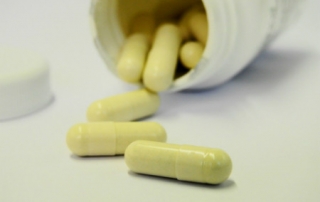
Nutritional Supplements for Premenstrual Syndrome: Do They Work?
Many promote the use of certain vitamins and minerals for the treatment of premenstrual syndrome (PMS) and premenstrual dysphoric disorder (PMDD), but controlled studies supporting the use of nutritional supplements are sparse.