



Use of Antipsychotic Medications in Pregnancy Increases Risk of Gestational Diabetes
Atypical antipsychotic medications are commonly used for the treatment of schizophrenia and bipolar disorder. Despite the increasing use of these medications in women of child-bearing age, there is still relatively little data regarding the reproductive safety of these medications.

Infertility Increases Risk of Serious Psychiatric Illness
Multiple small studies have demonstrated a link between infertility and psychological distress, reporting high rates of anxiety and depressive symptoms among women with infertility. These studies have evaluated psychiatric symptoms or psychological distress; however, less is known about the prevalence of more significant psychiatric disorders in this population.

Measuring the Effects of Antidepressants versus Untreated Depression on Pregnancy Outcomes
Multiple studies have demonstrated an increased risk of poor neonatal adaptation associated with exposure to selective serotonin reuptake inhibitor (SSRI) antidepressants in late pregnancy. Results in the literature consistently indicate that about 25%-30% of infants exposed to SSRIs late in pregnancy manifest symptoms of poor neonatal adaption, including jitteriness, restlessness, increased muscle tone, rapid breathing. These symptoms are transient, resolving spontaneously with no specific medical intervention.

Acupuncture Helpful for Reducing Anxiety in Women Undergoing IVF
Most women undergoing infertility treatment experience increased anxiety. In a randomized clinical trial, researchers explored the effectiveness of acupuncture in diminishing anxiety in a group of women undergoing IVF. 43 patients undergoing IVF received either active acupuncture (n=22) or sham treatment (n=21). Women with a history of psychiatric illness and those using antidepressants and/or anxiolytic drugs were excluded from the study. Anxiety levels were assessed before and after treatment using the Hamilton Anxiety Rating Scale (HAS).
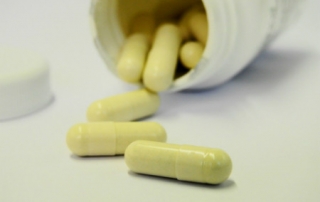
Premenstrual Symptoms: What About Herbal Supplements?
Many women with PMS and PMDD ask about herbal remedies for the treatment of their symptoms. WebMD recently reviewed this topic. The supplements most commonly mentioned for the treatment of PMS include chasteberry, evening primrose oil, Gingko biloba, St. John’s wort, and dandelion leaf. Some important things to remember:
A Simple Educational Intervention Reduces the Risk of Postpartum Intervention
While postpartum depression can affect all women, there are certain populations which appear to be at particularly high risk, including women of lower socioeconomic status. These women have limited access to resources and have multiple stressors including housing problems, financial strain, and being a single parent. Researchers recently piloted an intervention randomized controlled trial involving 540 participants at an inner-city hospital in East Harlem, New York. The primary goal of this psychoeducational intervention was to reduce the risk of postpartum depression among black and Latina mothers.