



Weekly Roundup for OCT 21 2016: Recent Publications in Women’s Mental Health
There are lots of new articles to review -- partly because I haven’t had a chance to pull together the “weekly” roundup for a while, but also because there continues to be a huge number of articles being published in the field of perinatal psychiatry. Some of the most interesting articles on the list are included in the Festschrift (I had to look this one up: “a collection of writings published [...]

Prenatal SSRI Exposure and Speech/Language Disorders: Many Headlines, Little Risk
Last week, an article looking at the cognitive and motor development of children with prenatal exposure to antidepressants was published in JAMA Psychiatry. Since that time, we have received a lot of questions regarding the article and the clinical implications of its findings. When I did a quick Google search, I found 36 articles reviewing this study published within the last week. It is unfortunate, however, that none of the headlines [...]

Press Release: Potential Treatment Option for Women Deciding to Discontinue Antidepressants During Pregnancy
Massachusetts General Hospital Efficacy Study Centers on EnBrace HR™ SUNSET, LA (PRWEB) OCTOBER 18, 2016: JayMac Pharmaceuticals is sponsoring a study at Massachusetts General Hospital to assess the efficacy of a pre-and post-natal supplement, EnBrace HR™, as a treatment for the prevention of depression in women with a history of Major Depressive Disorder who decide to discontinue their maintenance antidepressant drug treatment for pregnancy. “Many women attempt to stop antidepressants for [...]

Postpartum Psychosis: Ten Things You Need to Know
Because postpartum psychosis is relatively uncommon, we do not have as much information on this illness as we have on postpartum depression. In addition, most of the literature we have on postpartum psychosis is not new. The American Journal of Psychiatry has just published an excellent and well-researched review on the topic online which covers the most recent research. It is certainly worth reading, but here are the most important things [...]
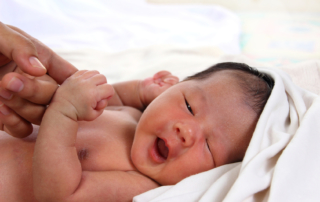
Clinical Case: Breastfeeding in a Woman with Bipolar Disorder
Ms. C is a woman with a long history of bipolar disorder, dating back to her teen years. Because she experienced recurrent hypomania and mania every time she attempted to discontinue her treatment, she and her psychiatrist decided that she would remain on her regular regimen of medications during pregnancy and the postpartum period, which consisted of lithium carbonate 900 mg and quetiapine 100 mg at bedtime. Ms. C returned to [...]

Do Antidepressants Have an Impact on Fertility?
In our clinic at the Center for Women’s Mental Health, we see a significant number of women who come in for the treatment of depression and anxiety while undergoing infertility treatment. While for some women this is the first time they have experienced depression and/or anxiety, most of the women who we see in the clinic have a history of depression and/or anxiety long before they had to deal with infertility [...]