


soy

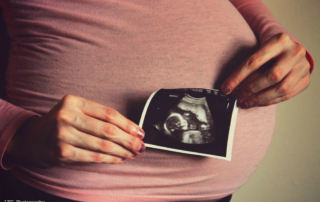
Can Tofu Reduce Your Risk of Depression During Pregnancy?

Phytoestrogens are weak plant-derived estrogens that are structurally similar to estrogen hormones produced by the body.  The phytoestrogens contained in soy-based products are called isoflavones.  Because they have estrogenic activity, soy isoflavones have long been [...]
By |2016-10-26T10:09:57-04:00October 26th, 2016|Depressive Disorders, Psychiatric Disorders During Pregnancy|Comments Off on Can Tofu Reduce Your Risk of Depression During Pregnancy?

In Brief: A Diet Rich in Soy May Improve Fertility

A new study suggests that a soy-rich diet may improve fertility in women undergoing infertility treatment.  How?  Researchers hypothesize that soy products may help to offset the the harmful effects of bisphenol A or BPA. [...]

By |2016-01-29T12:22:25-04:00January 29th, 2016|Alternative & Complementary, Infertility and Mental Health|Comments Off on In Brief: A Diet Rich in Soy May Improve Fertility

What is S-Equol? Does It Really Work for Menopausal Symptoms?

Approximately 70% of all women experience hot flashes and/or night sweats (also called vasomotor symptoms or VMS) during the menopause transition.  Although estrogen-containing hormone therapy is highly effective in managing these symptoms, various studies have raised concerns regarding the risks associated with prolonged use of hormone therapy and many women now use other non-hormonal options to manage their symptoms, including over-the-counter complementary and alternative medicines (CAMs), including soy isoflavones, black cohosh, and omega-3 fatty acids.  However, the data regarding the effectiveness of these alternative treatments has been mixed.

By |2015-03-13T12:29:59-04:00March 13th, 2015|Menopausal Symptoms, Treatment, Vasomotor Symptoms|Comments Off on What is S-Equol? Does It Really Work for Menopausal Symptoms?

Soy Supplements: No Effect on Cognition in Postmenopausal Women

Soy-based products have long been touted as a treatment for menopausal symptoms.  However, many of the clinical studies measuring the effectiveness of dietary sources of soy isoflavones (e.g., soy beverages, soy powder) for the treatment of menopausal vasomotor symptoms (i.e., hot flushes, night sweats) have been negative.  Less is known about the effects of soy on cognition.  A large clinical trial suggests that soy may not have any positive effects on cognition in postmenopausal women.

By |2015-08-12T12:31:30-04:00July 18th, 2012|Alternative & Complementary, Cognition, Menopausal Symptoms, Treatment|Comments Off on Soy Supplements: No Effect on Cognition in Postmenopausal Women

Use of Complementary and Alternative Medicines for Menopausal Hot Flashes

Approximately seventy percent of all women experience hot flashes and/or night sweats (also called vasomotor symptoms) during the menopause transition (Stearns et al. 2002).  Until recently, estrogen therapy was the treatment of choice for most women who sought treatment for hot flashes.  Since the results of the Women's Health Initiative in 2002 noted risks of prolonged use of hormone therapy in older postmenopausal women (Roussouw et al. 2002), many women pursue other treatments for their hot flashes, including over-the-counter complementary and alternative medicines (CAMs), including soy isoflavones, black cohosh, and omega-3 fatty acids.  However, there is limited evidence to support the use of these treatments for hot flashes to date.

By |2015-08-12T14:41:43-04:00May 29th, 2009|Alternative & Complementary, Menopausal Symptoms, Treatment, Vasomotor Symptoms|Comments Off on Use of Complementary and Alternative Medicines for Menopausal Hot Flashes
Go to Top