


Low Vitamin D Levels Linked to Depression in Young Women
Vitamin D deficiency is more common than ever, and many experts are concerned that this deficiency may lead to a wide variety of health problems, including depression.

Vitamin D deficiency is more common than ever, and many experts are concerned that this deficiency may lead to a wide variety of health problems, including depression.

Two recent reports explore the relationship between abuse and risk for perinatal depression. The first is a study which analyzed data from 53,065 pregnant women participating in the Norwegian Mother and Child Cohort Study (MoBa). [...]

This is a relatively small study but I think it underscores the importance of screening for and treating depression during pregnancy. Previous studies have indicated that about 10% to 15% of women experience clinically significant [...]

We have seen multiple studies which indicate that postpartum depression (PPD) interferes with breastfeeding. Postpartum women who suffer from depression are less likely to breastfeed, and they typically breastfeed for a shorter duration than women who are not depressed. A recent study looks at an entirely different question, asking whether postpartum stress affects the quality of the breast milk. In this study, the researchers focused on levels of immunoglobulin A (IgA) in the breast milk. (Immunoglobulins or antibodies are passed from the mother to the baby through the breast milk and help to confer immunity.)

Many studies have observed that postpartum depression may negatively affect the mother-infant relationship and may thus impede bonding and attachment and negatively affect the development of the young child. A recent study explores the use of Perinatal Dyadic Psychotherapy (PDP), a dual-focused mother-infant intervention designed to prevent and/or decrease depressive symptoms in the mother and to improve aspects of the mother-infant relationship related to child development.

A recent study examined the prevalence and risk factors for perinatal depression and anxiety in a group of Norwegian women with epilepsy (n = 706) compared to pregnancies in all women without epilepsy (n = 106,511).
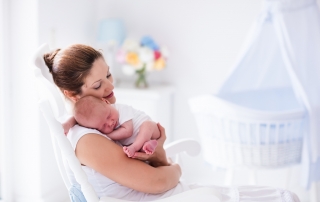
A recent study from Canada has observed higher rates of depression in mothers who have children after the age of 40. The prevalence of depression after delivery was about threefold higher in women aged 40 to 44 years as compared to women aged 30 to 35 years. This relationship was even stronger after controlling for potential confounders, including education level, marital status, and chronic illness (adjusted OR 3.72; 95% CI 2.15 to 6.41).

Maternal psychiatric illness can profoundly affect how a mother interacts with her child and is a risk factor for impaired mother-infant bonding, which may include a spectrum of difficulties: decreased maternal affective involvement, increased irritability, [...]

The Edinburgh Postnatal Depression Scale (EPDS) was modified by adding lifetime PND screening questions, assessing worst episode, and symptom timing of onset, in order to assess the lifetime prevalence of perinatal depression. Subjects from the [...]

A recent report suggests that epidural labor analgesia is associated with a decreased risk of postpartum depression (PPD). This prospective study included 214 pregnant women from Beijing, China who were preparing for a vaginal delivery. Epidural [...]