


Low Vitamin D Levels Linked to Depression in Young Women
Vitamin D deficiency is more common than ever, and many experts are concerned that this deficiency may lead to a wide variety of health problems, including depression.

Vitamin D deficiency is more common than ever, and many experts are concerned that this deficiency may lead to a wide variety of health problems, including depression.
Many women are understandably concerned about the risk of weight gain associated with antidepressants. It is difficult to advise them as to which antidepressants are less or more likely to cause weight gain, as there [...]

As many as 30% of people suffering from depression do not respond to antidepressant treatment1. When treatment options are exhausted psychiatrists often turn to electroconvulsive therapy (ECT). An electric current is used to cause a brief seizure in the brain. Although this is a relatively safe method of treatment, impairments of both cognition and memory are potential side effects2.
Although we do not typically adjust the dosage of medications based on gender, there are certain medications which may have different pharmacokinetics and rates of metabolism in women versus men.
Sexual side effects may occur in 40% to 70% of patients treated with serotonin reuptake inhibitors (SRIs) and is a common reason for poor compliance with treatment and eventual discontinuation. When sexual side effects occur, they tend to emerge early, are persistent, and rarely resolve spontaneously. A new study, reviewed in Medscape, suggests that exercise may help to reduce sexual side effects:
An estimated 80% of sexually active young women in the United States use hormonal or oral contraceptives (OCs). Clinically it is found that some women report depression or mood swings with oral contraceptives; however, many women seem to tolerate hormonal contraceptive without any effects on mood. Despite the prevalence of OC usage, few studies have explored the association between hormonal contraceptive use and mood disturbance.

We previously reported on studies suggesting estrogen may be helpful for the treatment of depression in peri- and post-menopausal women, either alone or in combination with an antidepressant. In addition, other studies have suggested that older, postmenopausal women may respond more poorly to antidepressants than premenopausal women. Two recent studies attempt to better understand the impact of reproductive hormones on clinical presentation and treatment response of depression in women.

This is a topic we do not typically cover on our site, but it is clearly an important one. The U.S. Preventive Services Task Force (USPSTF) has updated its recommendations on screening for family and intimate partner violence (IPV). These guidelines, published in the Annals of Internal Medicine, recommend that all women of reproductive age be screened for intimate partner violence. The review provides some information on which screening instruments to use and reviews interventions to reduce the risk of IPV.
One of the goals of the Affordable Care Act (ACA) is to improve women’s access to health care. In the past, women could be denied insurance coverage because they were women or could be charged more for insurance than their male counterparts.
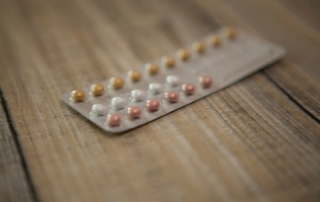
The FDA will require Yaz, Yasmin and several other newer oral contraceptives to carry new warning labels that detail the potential risk of venous thromboembolism (VTE or blood clots). All oral contraceptives increase the risk of blood clots; however, recent studies have suggested that birth control pills containing drospirenone, a synthetic form of the hormone progesterone, may carry a slightly increased risk of VTE, compared with older birth control pills. The FDA estimates that over a one year period, 10 in 10,000 women taking an oral contraceptive with drospirenone would develop a blood clot , as compared to about 6 in 10,000 women taking older contraceptives.