

Depressive Disorders

St. John’s Wort: Is it Safe for Pregnancy?

St. John's wort (Hypericum perforatum) is an herbal preparation which has been shown, in some studies, to be effective for the treatment of mild to moderate depressive symptoms. St. John's wort is now one of the most commonly used herbal products in the United States and is widely used in Europe.

By |2015-08-11T14:14:20-04:00August 5th, 2008|Antidepressants, Depressive Disorders, Pregnancy & Medications, Risk of Malformations|Comments Off on St. John’s Wort: Is it Safe for Pregnancy?

Does Depo-Provera Cause Mood Changes?

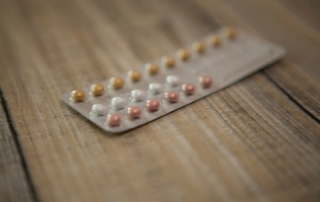
Depo-Provera (DMPA), also known as the birth control shot, is a highly effective form of contraception that lasts for 3 months, and thus requires only 4 injections per year. DMPA contains a long-lasting form of depot medroxyprogesterone acetate that works as a contraceptive agent by preventing the ovaries from releasing an egg each month. Potential side effects of DMPA include bone density loss, weight gain, and mood worsening. Although depression is listed in the packet insert as a side effect of the injection, available research addressing this side effect are limited and contradictory.

By |2019-03-01T13:36:17-04:00July 29th, 2008|Contraception, Depressive Disorders, General, Hormone Therapy, Prevalence & Risk Factors|Comments Off on Does Depo-Provera Cause Mood Changes?

Maternal Stress During Pregnancy Linked to Infant Sleep Problems

The link between maternal depression and anxiety during pregnancy and adverse neonatal outcome has been well-documented in the medical literature and reviewed on our website. A recent study published in the journal Early Human Development suggests that a mother's stress during pregnancy may also negatively affect her baby's sleep patterns.

By |2015-08-11T14:06:19-04:00July 26th, 2008|Anxiety Disorders, Child Outcomes, Depressive Disorders, Outcomes, Psychiatric Disorders During Pregnancy, PTSD and Stress Related Disorders|Comments Off on Maternal Stress During Pregnancy Linked to Infant Sleep Problems

Oral Contraceptives and the Risk of Blood Clots in Postpartum Women

If a woman does not breastfeed following delivery, prolactin levels decrease and fertility returns to normal, and pregnancy is possible. Even if a woman decides to breastfeed, she should still use some form of contraception, as prolactin levels vary depending on individual breastfeeding styles. Women may be fertile and become pregnant even before the resumption of their menstrual cycles.

By |2015-08-11T13:55:37-04:00July 2nd, 2008|Alternative & Complementary, Depressive Disorders, Psychiatric Disorders During Pregnancy, Treatment|Comments Off on Oral Contraceptives and the Risk of Blood Clots in Postpartum Women

Using Omega-3 Fatty Acids to Treat Depression During Pregnancy

We commonly see women in our consultation service who have histories of depression and are planning pregnancy. They frequently have questions about alternative treatments for depression while pregnant. Given that many women are taking omega-3 fatty acids prior to pregnancy, the question arises whether they should discontinue them during pregnancy. An additional question is whether omega-3 fatty acids can be used instead of antidepressants for the treatment of depression during pregnancy.

By |2015-08-11T13:54:17-04:00June 25th, 2008|Depressive Disorders, Psychiatric Disorders During Pregnancy, Treatment|Comments Off on Using Omega-3 Fatty Acids to Treat Depression During Pregnancy

Depression is Common Following Successful IVF

Psychological symptoms play a significant role in infertility. Some studies have examined the impact of psychological symptoms (e.g., anxiety, depression) on fertility status. Most of this research has focused on women with unsuccessful IVF treatment. Some have investigated the extent to which a woman's psychological state during assisted reproductive therapy (ART, which includes in vitro fertilization (IVF)) interferes with the success of the treatment.  ART itself has been shown in other studies to negatively impact a patient's psychological well-being, with prolonged treatment associated with increased depression and anxiety.

By |2015-08-11T13:17:47-04:00May 18th, 2008|Depressive Disorders, Infertility and Mental Health|Comments Off on Depression is Common Following Successful IVF

Stress During Pregnancy Increases ADHD Risk

While genetic factors are clearly important in determining a child’s risk for attention deficit hyperactivity disorder (ADHD), recent studies have investigated the link between exposure to certain maternal behaviors during pregnancy, such as smoking and alcohol use, and the risk of developing behavioral problems related to attention deficit hyperactivity disorder in childhood. While multiple studies have indicated a greater risk of ADHD symptoms among children whose mothers smoked during pregnancy, contradictory findings were reported in studies focusing on exposure to alcohol. Results from studies investigating the impact of psychological stress during pregnancy have been inconsistent but suggest a possible contribution to ADHD symptoms int he offspring.

Do Oral Contraceptives Cause Mood Changes?

Many women have concerns about the side effects of oral contraceptives (birth control pills). Potential side effects include bloating, breast tenderness, and weight gain. In addition, some women may experience depression or mood swings, side effects that may influence a woman’s decision to start taking a birth control pill, particularly if she has a history of depression.

By |2015-08-11T12:44:52-04:00May 1st, 2008|Contraception, Depressive Disorders, General|Comments Off on Do Oral Contraceptives Cause Mood Changes?

Obesity Linked to Postpartum Depression Risk

Previous studies have linked postpartum depression (PPD) to numerous risk factors, including depression during pregnancy, a history of depression prior to pregnancy, as well as marital problems, recent stressful events, and inadequate social supports.

By |2015-08-11T12:04:47-04:00April 3rd, 2008|Depressive Disorders, Postpartum Psychiatric Disorders|Comments Off on Obesity Linked to Postpartum Depression Risk

Untreated Maternal Depression: What is the Impact on the Unborn Child?

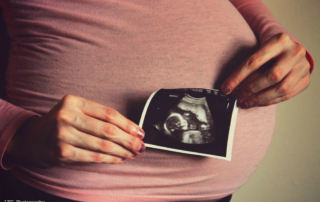
Depression during pregnancy is common. While concerns have been raised regarding the potential teratogenic and long-term neurobehavioral effects of psychotropic drug use during pregnancy, what is often overlooked is the fact that untreated maternal depression may also put the unborn baby at risk.

By |2015-08-11T10:52:05-04:00March 27th, 2008|Anxiety Disorders, Child Outcomes, Depressive Disorders, Outcomes, Psychiatric Disorders During Pregnancy|Comments Off on Untreated Maternal Depression: What is the Impact on the Unborn Child?
Go to Top