


In Brief: Suicide Rate Triples in Young Girls
After accidental deaths, suicide is the second leading cause of death in those between the ages of 10 and 19 years. Historically, suicide rates have been higher for male than for female youth; [...]


After accidental deaths, suicide is the second leading cause of death in those between the ages of 10 and 19 years. Historically, suicide rates have been higher for male than for female youth; [...]

We are excited to offer the next round of the MGH Women’s Mental Health online CME program. Thank you for those who participated in the fall. The next course starts February 10, and we [...]

We hope everybody is settling into the New Year. Here's a look back at what happened in 2019. Brexanolone takes the lead as our top story for 2019. Brexanolone (introduced as SAGE-547 by SAGE Therapeutics) [...]

We completed our first MGH Women’s Mental Health online CME program in the Fall of 2019, and we are excited to offer the next round of the course in the series. Thank you for those [...]

While earlier observational studies suggested that hormone treatment may improve cognitive functioning in peri- and postmenopausal women, studies from the Women’s Health Initiative (WHI) demonstrated that estrogen replacement therapy started in postmenopausal women (65 [...]
HAPPY NEW YEAR to all of our readers! Next week we will be reviewing our top stories for 2019. For more detailed descriptions of many of these topics, you can read the CWMH [...]

Smoking is relatively common during pregnancy, with about 10% of all women smoking at some point during their pregnancy. The rates are even higher among women with psychiatric illness. While many women may be [...]

For women, the postpartum period appears to be a time of increased risk for conversion to bipolar disorder in women previously diagnosed with major depressive disorder. Sharma and colleagues observed that the rate of diagnostic [...]
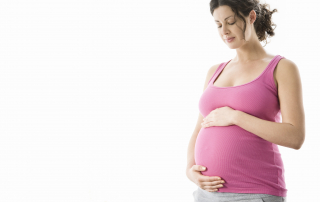
According to recent findings published in Diabetic Medicine, women who develop gestational diabetes may be more likely to experience depression during pregnancy and after delivery, compared to women without gestational diabetes. Over the years, we [...]

Depressive symptoms were assessed in a group of 622 Canadian first-time fathers during their partner’s third trimester using the Edinburgh Postnatal Depression Scale (EPDS). The prevalence of depressive symptoms in fathers was 13.76% at 2 [...]