


Escitalopram (Lexapro) for Hot Flashes: No Significant Sexual Side Effects
Escitalopram, when used in the treatment of menopausal vasomotor symptoms, did not worsen overall sexual function among non-depressed midlife women.


Escitalopram, when used in the treatment of menopausal vasomotor symptoms, did not worsen overall sexual function among non-depressed midlife women.

3,4-methylenedioxymethamphetamine (MDMA) or “Ecstasy” is one of the most widely used illicit recreational drugs among young adults. This report indicates that infants exposed to Ecstasy ad other recreational drugs may have delays in their motor development.

In this essay published in the Journal of the American Medical Association, Dr. Helen Kim (an alumna of the CWMH) discusses the challenges of treating women with severe psychiatric illness during pregnancy:

Antenatal exposure to Wellbutrin (bupropion) does not appear to be associated with an increased risk of malformations in the exposed infant; however, it is not known if exposure to Wellbutrin during pregnancy has any effect on the child’s neurobehavioral development. In a study from Figueroa and colleagues published in 2010, insurance claims data from 38,704 children and their families were analyzed, using information obtained from the beginning of pregnancy until age 5. Outcomes were assessed in mothers taking selective serotonin reuptake inhibitors (SSRIs) or Wellbutrin before, during or after the pregnancy. This study sought to determine the risk of ADHD in exposed infants. Children up to the age of 5 were identified as having ADHD if they had an outpatient or inpatient claim with a primary or secondary diagnosis of ADHD or a prescription claim for stimulants.

While a handful of studies have assessed the risk for congenital malformations in infants exposed to antipsychotic agents, there is even less information regarding neonatal outcome in this population. In 1992, it was first reported that infants exposed to first-generation antipsychotic medications exhibited increased muscle tone, tremulousness, and poor motor functioning when assessed within a few days of delivery.

The North American Menopause Society (NAMS) has updated its 2010 recommendations regarding the use of postmenopausal hormone therapy (HT) based on evidence accumulated subsequent to the previous report. In the decade since the first publication of the results from the Women's Health Initiative, we have accumulated evidence to indicate that multiple factors influence the effects of hormone therapy, including the type of estrogen used, the way the hormones are given, and the age and recency of menopause of the woman taking the medication. These factors also determine the risks associated with hormone therapy.
At MGH, we have Rounds weekly. For 2-3 hours per week, we discuss clinical cases, papers that come out in our field, and discuss our research. We have a relatively large group of perinatal psychiatrists, all of whom do clinical work, as well as social workers and a psychologist who regularly join us.
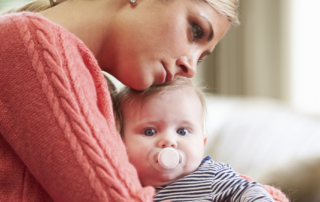
Multiple studies have concluded that the children of depressed mothers are at increased risk for behavioral problems and other mental health issues. Data from 7429 mother–child pairs participating in the Avon Longitudinal Study of Parents and Children in the UK indicate that maternal depression (assessed when the children were 1.5 year old) is associated with an increased risk of psychiatric diagnoses in the children at 7.5 years of age.

Reduced birth length and weight, microcephaly, and characteristic facial deformities (smooth philtrum and thin vermillion border) are associated with alcohol exposure during the second half of the first trimester and are dose-related. In this prospective study including 992 subjects, there was no evidence of a threshold, indicating that women should be advised to abstain from alcohol consumption from conception throughout pregnancy.

In this randomized clinical trial, 154 sedentary, symptomatic women were randomly assigned to an aerobic training or a control group. The intervention included unsupervised aerobic training for 50 minutes four times weekly for 24 weeks, whereas the control group attended health lectures twice a month. Night sweats, mood swings, and irritability were reduced more among the women in the intervention group than in the control group.