


Perimenopause: A Time of Risk for Depression
More than 50 percent of women experience some perimenopausal symptoms, including hot flushes, night sweats, and sleep disturbance, before reaching the menopause. A recent article from Aetna Intelihealth notes that many women may also experience depression. In a study form Dr. Claudio Soares, women with clinically confirmed perimenopause were interviewed:
Neonatal Symptoms After In Utero Exposure to SSRIs
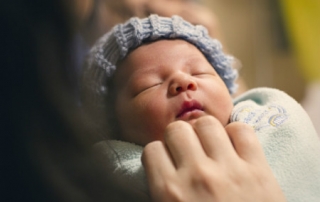
The increasing number of reproductive-age women taking antidepressants has raised concerns about the potential risks of using these medications during pregnancy. Literature accumulated over the last decade supports the use of certain selective serotonin reuptake inhibitors (SSRIs) and the older tricyclic antidepressants during pregnancy, indicating no increased risk of congenital malformation in children exposed to these medications during the first trimester of pregnancy. Still, questions remain regarding the purported risk for "toxicity" in newborns exposed to antidepressants around the time of labor and delivery. These concerns are not new. Twenty years ago, case reports suggested that maternal use of tricyclic antidepressants near the time of delivery was associated with problems in the newborn such as difficulty feeding, restlessness, or jitteriness.

Postpartum Depression: Who is at Risk?
Many women imagine new motherhood as a time of total fulfillment, days filled with mother-infant bonding and boundless joy. In reality, however, many women experience significant mood changes following childbirth. Between 50 and 85% of new mothers experience a brief postpartum period of tearfulness and anxiety, termed the "maternity blues." But some 10 to 15% of women experience postpartum depression, or PPD, a longer-lasting and more pervasive type of mood disorder.

Can Women Taking Lithium Breastfeed Their Infants?
It is clear that women with bipolar disorder are at high risk for relapse during the immediate postpartum period (Viguera 2000). There is evidence that the resumption of lithium prior to or within 24-48 hours of delivery can significantly reduce the risk of postpartum illness (Cohen 1995). While this intervention is the current standard of care for this high risk population, women have historically been instructed to avoid breastfeeding while taking lithium based on early reports suggesting high levels of lithium in the breast milk and several cases of lithium toxicity in nursing infants (Schou 1973). While the American Academy of Pediatrics guidelines are less restrictive in their current recommendation, they do urge caution. However, systematic studies regarding the levels of exposure to lithium in nursing infants and the potential risks of this exposure have been lacking.
Oral Contraceptives for the Treatment of Premenstrual Mood Symptoms in Women with Depression
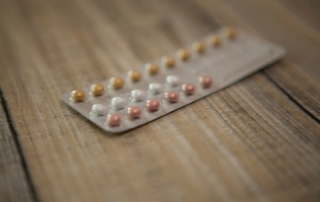
About 3-5% of women of reproductive age suffer from premenstrual dysphoric disorder (PMDD), where they experience depressive symptoms, anxiety or irritability during the last one to two weeks (the premenstrual phase) of their menstrual cycle. In addition, many women who suffer from depression, including those who have been effectively treated with an antidepressant, report worsening of their depressive symptoms during the premenstrual phase of the menstrual cycle. Although this may be a consequence of sensitivity to fluctuating hormone levels, little is known about the efficacy of hormonal interventions, including oral contraceptives (OCPs), in the treatment of premenstrual worsening of depressive symptoms.

Should SSRIs Be Discontinued Prior to Delivery?
About 10-15% of women suffer from depression during pregnancy. The rates are probably even higher among those women who have histories of depression prior to pregnancy. Thus, many women with recurrent illness make the decision to remain on antidepressant during pregnancy. While there have been many studies supporting the reproductive safety of certain antidepressants, including Prozac and the tricyclic antidepressants, during pregnancy, concerns have emerged as to whether antidepressants, including the selective serotonin reuptake inhibitors (SSRIs), may increase the risk of adverse events in the newborn.