



Examining Modifiable Risk Factors for Postpartum Depression
Approximately 10-15% of women will experience mood symptoms that meet criteria for a Major Depressive Episode during the postpartum period. However, as many as 50% of women may experience some level of depressive symptoms during the postpartum period. Recent evidence suggests that even depressive symptoms that do not qualify for a diagnosis of postpartum depression may have a negative impact on both mother and child. In spite of the fact that so many postpartum women will experience depressive symptoms, little research has been conducted in order to identify potentially modifiable factors that could reduce the risk of depressive symptoms or the development of a major depressive episode during this time.
Lamotrigine and Pregnancy: An Update
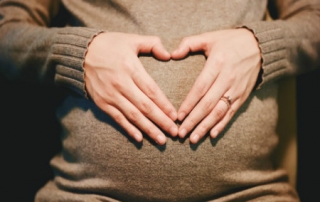
While anticonvulsants, such as lamotrigine (Lamictal), topiramate (Topamax), and gabapentin (Neurontin), are being used with increasing regularity for the treatment of women with bipolar disorder, we have limited information with respect to the reproductive safety of the newer anticonvulsant agents. In 2006, we reported on preliminary data indicating an increased risk of oral clefts among infants exposed to lamotrigine during the first trimester of pregnancy.

Depression and Menopausal Symptoms Go Together
It is well established that women are at increased risk for developing depression compared to men. It has been hypothesized that this vulnerability to depression may be hormonally mediated, and several longitudinal studies have documented an increased risk of depressive symptoms during perimenopause or the menopausal transition. Based on the results of two prospective cohort studies, approximately one-third of women will develop their first episode of depression during the menopausal transition. (Cohen LS et al 2006, Freeman EW et al 2006).

Generic Medications
Many patients ask questions about generic medications, wondering how they differ and if they’re as safe and as effective as the more expensive brand name versions. To better understand this concept, we’ll discuss an example.

Can We Identify Women at High Risk for Postpartum Psychosis?
Postpartum psychosis occurs in about 1 to 2 per 1000 women after delivery. While there appears to be a strong link between postpartum psychosis and bipolar disorder, it is estimated that about half of women who present with postpartum psychosis have no psychiatric history prior to delivery, making it difficult to identify those women who are at greatest risk for this illness. A recent study, using data from the Swedish Medical Birth Registry, has examined possible risk factors that may be used to identify women at risk for postpartum psychosis.
Prepregnancy Depressive Mood is a Risk Factor for Preterm Birth
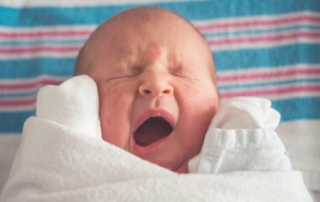
There have been multiple studies suggesting that depression during pregnancy increases the risk for preterm labor. Most studies do not attribute this increase in risk to antidepressant exposure, but to the effects of the depression itself. The mechanism is believed to be related to increased levels of corticotropin releasing hormone (CRH) which is triggered by stress. Elevated levels of CRH have been shown to be a predictor of preterm birth.